
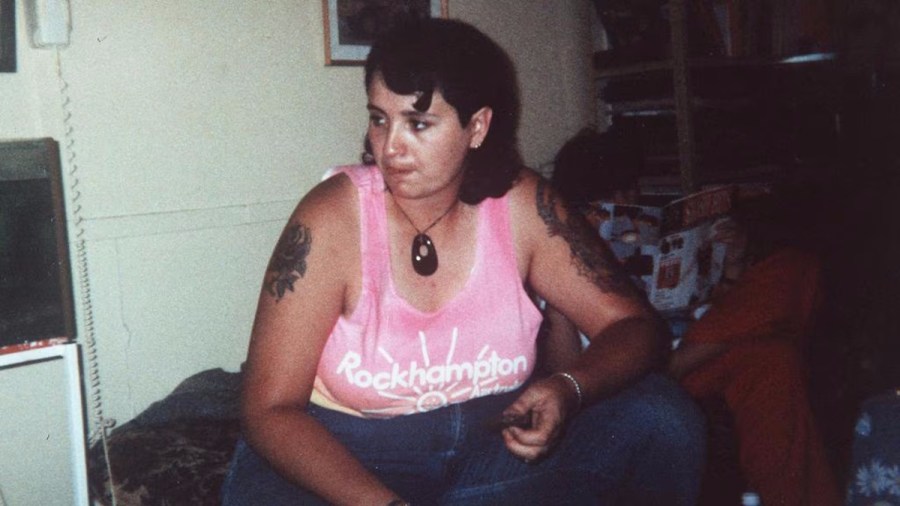
Tracey Wigginton, dubbed Australia’s Lesbian Vampire Killer, was jailed for life after pleading guilty to the murder of 47-year-old council worker Edward Baldock on Friday, October 20 1989.
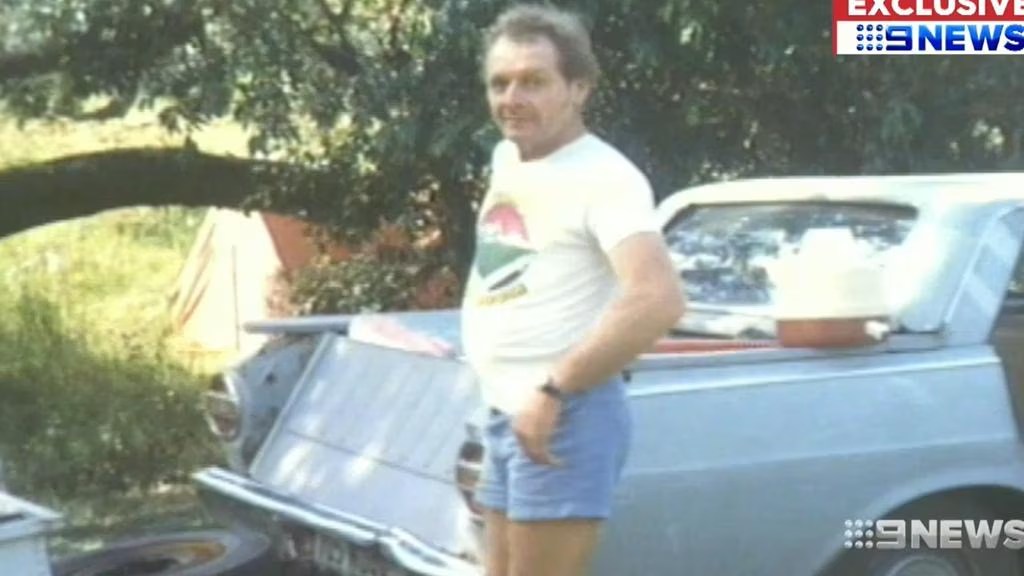
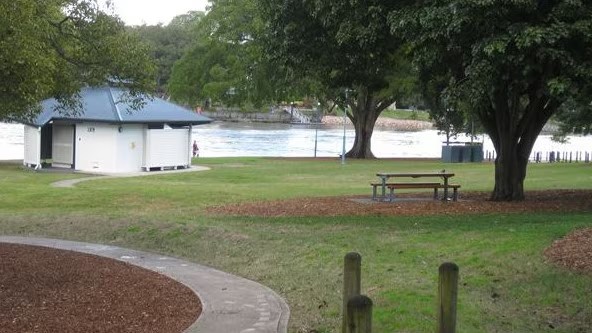
She and three other women offered a lift to a heavily intoxicated Baldock at Brisbane’s Kangaroo Point. They drove him to Orleigh Park in the suburb of West End where Wigginton stabbed him 27 times, then buried her face in his neck and drank his blood.
Wigginton was reportedly involved in the “Swampies” group—a Gothic subculture influenced by and devil worship, and frequently watched horror videos, often in slow motion to capture every slash. Baldock was just interested in drinking far more alcohol than was good for him, particularly that night at the Caledonian Club. Wigginton claimed to possess vampiric tendencies and told police she needed to consume human blood to survive and maintain “witchery” capabilities.
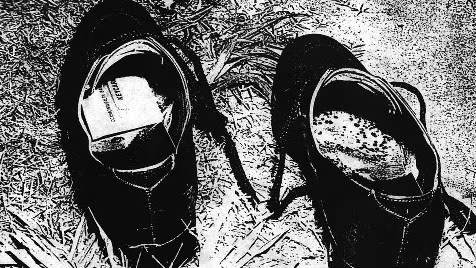
Baldock somehow found Wigginton’s Commonwealth bank keycard and managed to slip it into his shoe before he died. Police discovered it during the investigation, leading to Wigginton’s arrest within 24 hours.
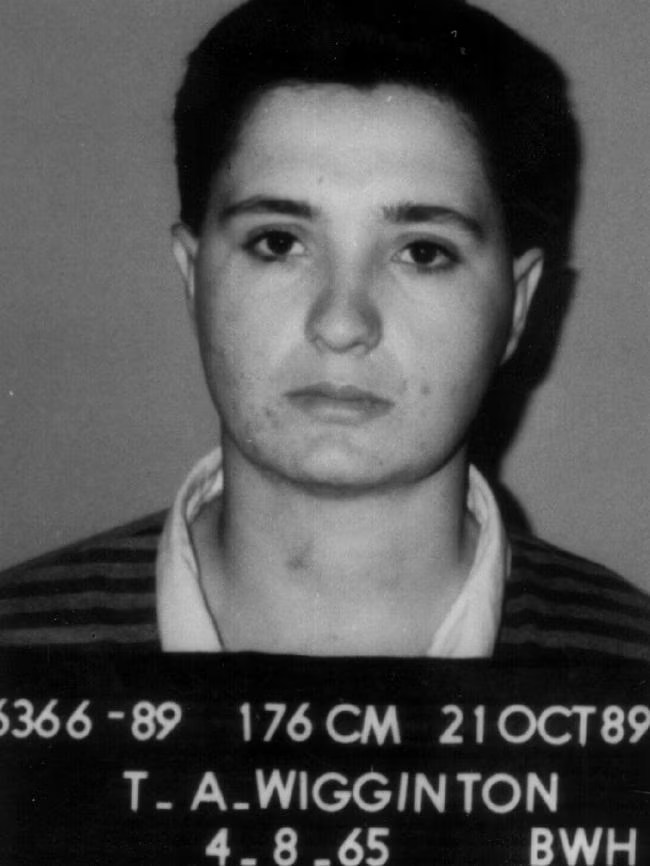
The night before the murder she watched repeatedly a slow-motion sequence of a man’s head exploding when he was shot, according to Wigginton’s girlfriend, Donna Staib.
Wigginton’s co-accused pleaded not guilty, claiming they were terrified of her. Her Defence team argued that she had suffered abandonment and physical and sexual abuse as a child which had left her with a multiple personality disorder.
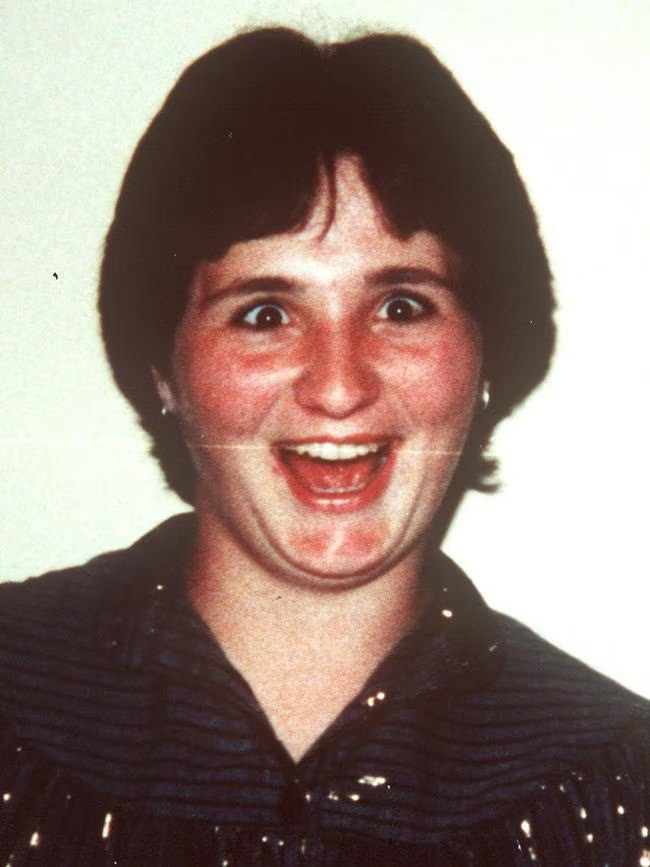
However, the Queensland Mental Health Tribunal found that she was not legally insane, knew the difference between right and wrong and understood the consequences of what she had done.
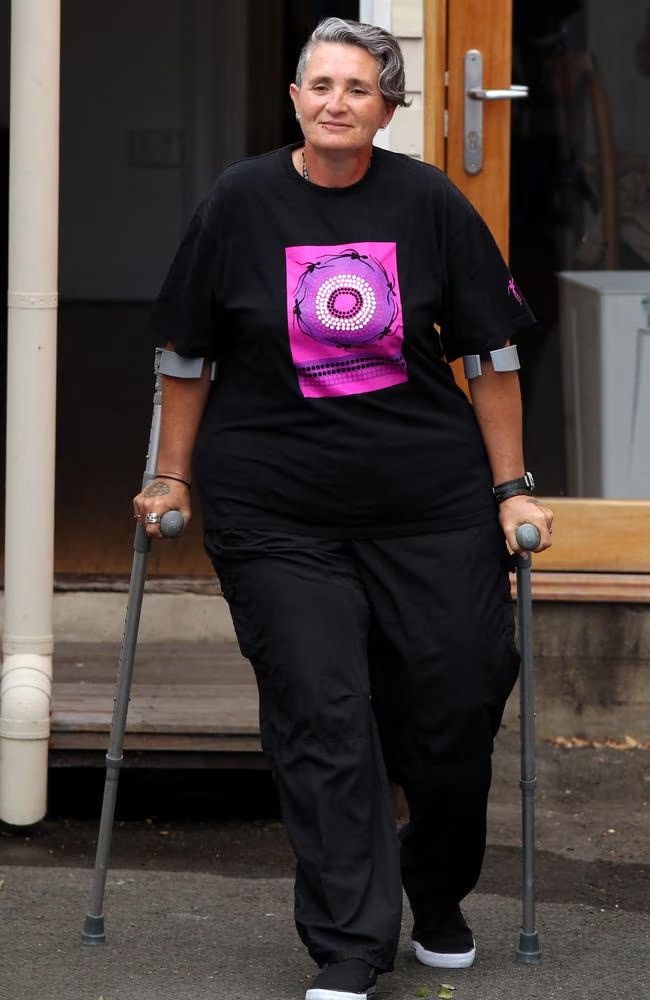
Wigginton pleaded guilty in January 1991 and was given a life sentence, to be served in the Boggo Road women’s prison in Brisbane. She was eligible for parole in 2002 but until 2012 every application was denied. She was finally released on licence in 2012 on lifetime parole, suffering from diabetes and walking with crutches, initially staying in supported accommodation and a women’s shelter in the Southport area. Media tracking in recent years located her living in Tamborine, a rural locality northwest of the Gold Coast.
In 2019, investigators discovered she was posting dark images of vampires, skeletons, and human remains on Facebook under the alias “Oberon Fairchild”, causing significant distress to the Baldock family. One meme read:
Now panic because I’m back fuckers!
There were also drawings of a demon with sharp teeth, skeletons sitting in a graveyard, and photos of real human remains and burial sites.
Australian cannibalism cases are less common than other countries (particularly those that have higher populations) but make up for the scarcity in the sensationalism of the occurrences. Several involve women, which apparently makes them even more newsworthy. Consider the women who has been charged with murdering her four-year-old child in Wyong, NSW and is being investigated for consuming some of his body. Or Katherine Knight, who was charged with murdering her husband and cooking his body, hoping to feed the meat to his children. Or Jessica Camilleri, who killed her mother and decapitated her. The judge sentencing her said she had “engaged in “acts of decapitation and cannibalism”.
Wigginton was certainly a lesbian, and it appears that she believed she was a vampire, needing blood to survive. But it is clear that the coincidence of these two identities are what made the media frenzy so heated. Someone who eats human flesh or drinks human blood is worth a headline; after that, the media depends on a circus of ‘experts’ to explain why they did that. Vampirism did not make her a lesbian, nor did her sexual preferences relate to her obsession with the occult. But both identities are closely identified as outsiders (particularly back then), and her doubled outsider status made her irresistible to the mass media, worldwide. Had she not been a lesbian, fascinated by blood, she would not have been such a big story.
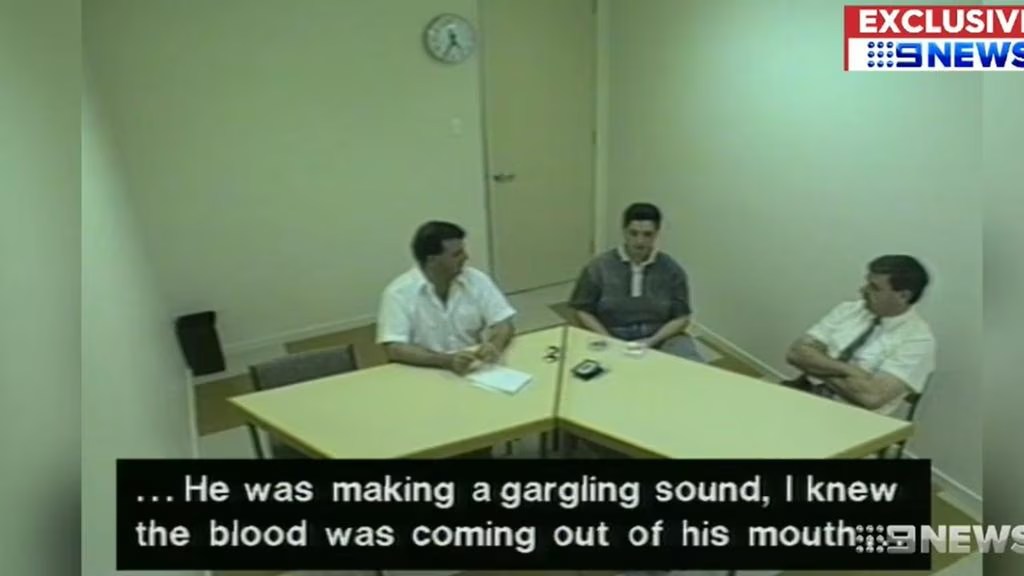
Wigginton demanded blood, just as most of the population demands flesh. Australians are famous for enjoying their meat. But like everyone else, we sometimes forget that humans are animals, and are just as sanguinous, just as vulnerable, and just as edible, as any other.
For a rather long true-crime vodcast about the case and its background, you might enjoy this:

