
Delicious is a German horror film, a genre that has a proud history, but it’s also a psychological and socio-political drama that examines the many ways the rich eat the poor, and the potential for revenge. It is written and directed by Nele Mueller-Stöfen in her directorial debut, although it as well made as a work from far more experienced directors.
The film starts with social and class-based unrest. In the opening scene, a rich German family are in a car fitted with bulletproof glass as protesters swarm the streets of Paris, jumping on the car and fighting with police. The father is unworried – “they’re not interested in us.” Perhaps that’s true, but the protests are about poverty and the cost of living, and others are very interested in this family.
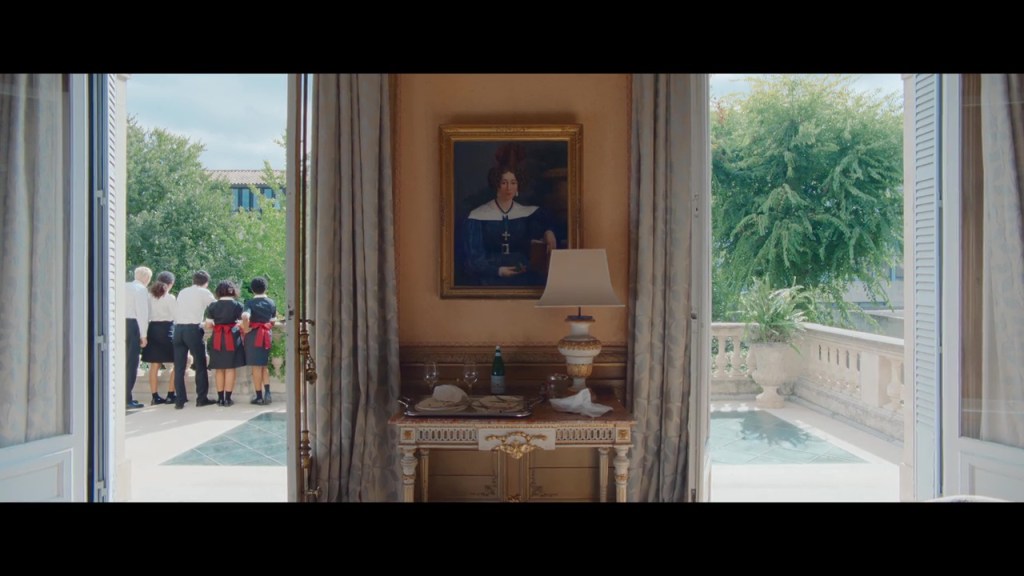
As they settle into their holiday home in Provence, another group of young working-class people watch them, the serving staff, who live impoverished lives as they wait on the rich, in a hotel room where they are lying on rich people’s beds and pissing in their fancy mineral water bottles. They work at a fancy hotel nearby, and observe as the family have dinner and a few drinks. On the way home, somewhat tipsy, they appear to hit a young woman walking across the road. In fact, we know that her friend has deliberately cut her arm to make the accident more believable. She reopens the wound when necessary, to maintain her connection to their guilt.

The next day, she tells them she has been fired for not being able to work after the accident, and asks for a job as a maid, but she gradually infiltrates the lives of each member of the family. They have designs on her body, but she and her friends have designs on theirs, and (this being a cannibal blog) you can probably work out what is going to happen well before they do.
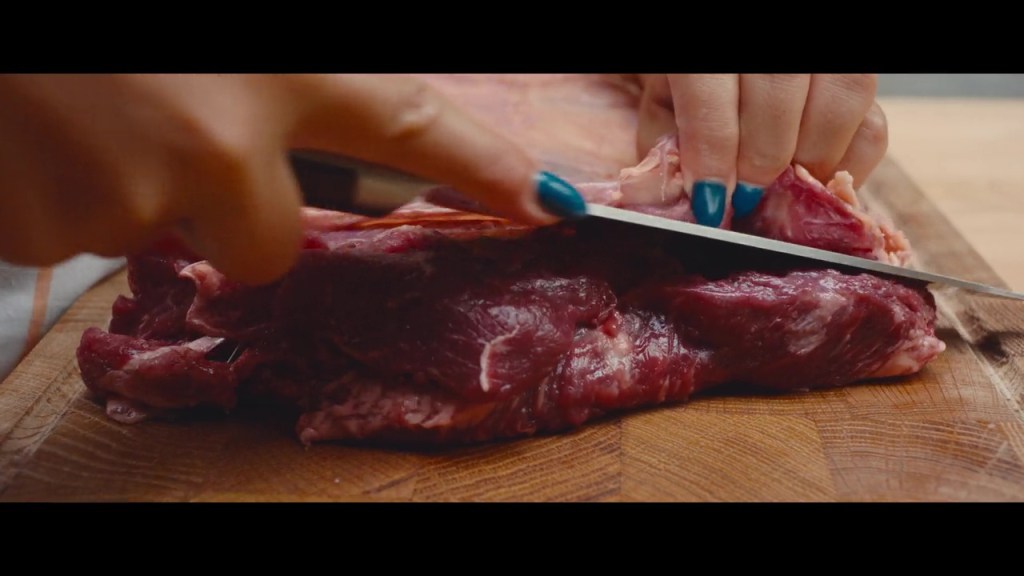

Serving the rich (in some novel senses) is definitely on the menu, as blood and meat (eaten raw) feature in the early scenes. Less gory versions of eating too, including cunnilingus.

I’ll avoid spoilers, because it’s on Netflix, which means a lot of people will probably watch it. It’s beautifully filmed and well acted, but does tend to drag in the middle, although that is not unusual for European films – they never seem to be in the same hurry as Hollywood, which may explain some of the appalling reviews. But by the time the wife goes to a party with the young ones, we are right into it.
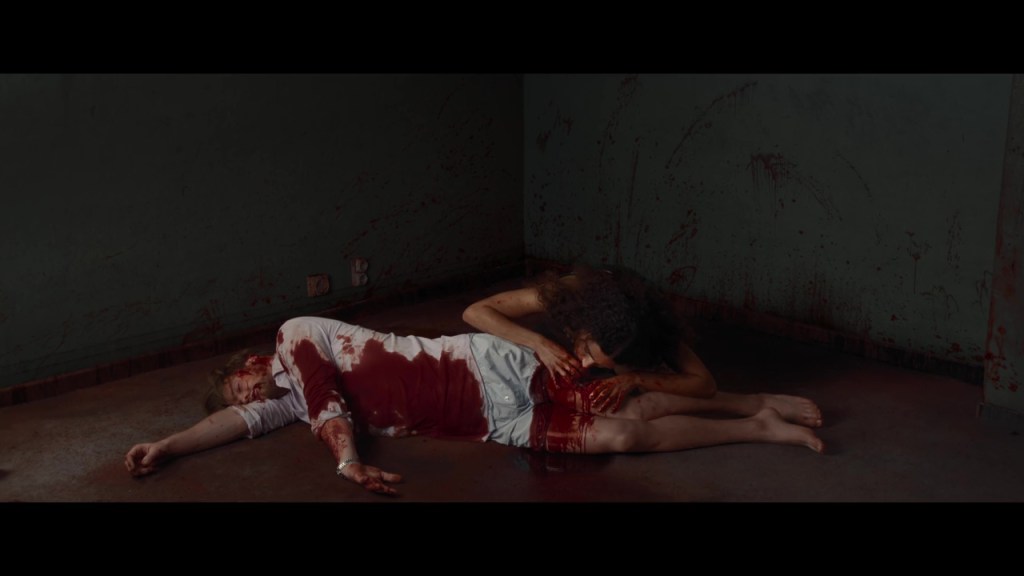
The way of the world is usually the rich squeezing the life out of the poor, and while there are many films about that (think Fresh, The Cannibal Club or What You Wish For), there are not many that look at the retaliation which the exploited must often crave. Eating Raoul captured that anger and propensity to violence well, and this one does it too, without the humour, but with a cast of fine young cannibals for whom the viewer may well feel some sympathy. The family, beset with their own issues to do with work and relationships, does not see disaster coming, and that is the basis for most good horror.

“You have high gates, but your perfect world cannot be separated from ours.”
The plot unravels slowly and by the time blood starts to flow, it’s almost time to finish the film. If you like plots where the invisible reclaim their power, you may enjoy this. Think Parasite or Saltburn, but with the added spice of cannibalism.
At one point Teodora, the “maid” quotes the Marxist, Antonio Gramsci, to her supposed boss.
“The old world is dying, and the new world struggles to be born: now is the time of monsters”
In the time of the monsters, when humanity has turned the planet into a giant abattoir, assuming that some are edible and some are not is just a social construction, with little rational basis. Riding off on their motorbikes, the cannibals seem to have cast off such contingent social customs. But who, the film asks, are the monsters?

 The Cannibal Guy
Pingback: 2025: The Year in Cannibalism – The Cannibal Guy
Great post—absolutely corking the C bottle and letting the fumes get interesting. 🧨📜
LikeLike
Thanks for reading Chukster!
LikeLike