


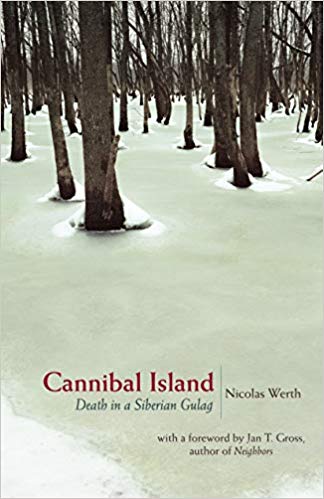
One of the most horrendous abuses of the Stalinist era was the mass deportation of 6,700 prisoners to what became known as “Cannibal Island”. This was a small island called Nazino in the Ob River in western Siberia (now the Tomsk Oblast). The island was 3 kilometres (1.9 miles) long and 600 meters (660 yards) wide and had no possibility of feeding the thousands of new residents.

The only thing the prisoners had was a little raw flour, but no tools and no clothes or shelter from the harsh Siberian climate. They had two choices: to starve, or to tear each other apart for food.
This documentary follows the development of the Soviet Union into a brutal dictatorship under Joseph Stalin in the early 1930s. Stalin was determined to industrialise the still largely rural economy, and his main tool was collectivisation, which forced the peasants onto State farms, to better harvest food and other resources for the growing urban proletariat. Famine followed, and the exodus of millions into the cities.

To control the population, Stalin’s secret police the OGPU led by Genrikh Yagoda introduced compulsory passports, available only to city dwellers – peasants were sent back to work the land. Anyone found without a passport for any reason was arrested and declared “socially harmful”, and thousands were shipped off to Siberia or Khazakstan every month, where there were rich resources, but hardly any people to garner them. The police and militia were given arrest quotas, so there was no avenue of appeal and no mercy.
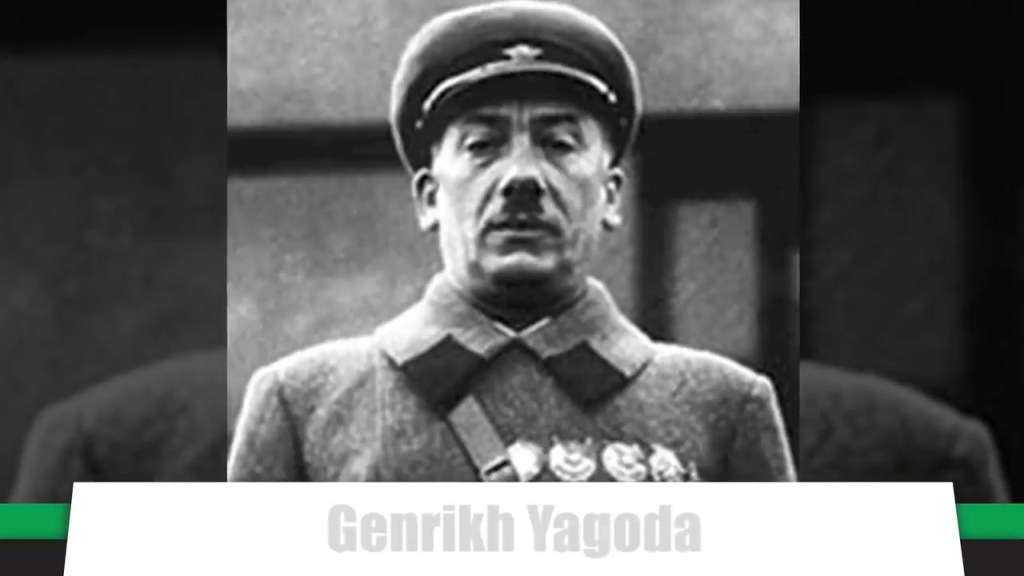
Those arrested were shipped to usually freezing climes in whatever clothes they were wearing. One young girl was deported after her mother stepped off the train at a transit in Moscow to buy some bread. In Spring 1933 alone, 73,000 people were arrested and deported from Moscow and Leningrad. Thousands were deported on May 1 (May Day) 1933. These deportees, called “outdated elements”, were headed for the island of Nazino.
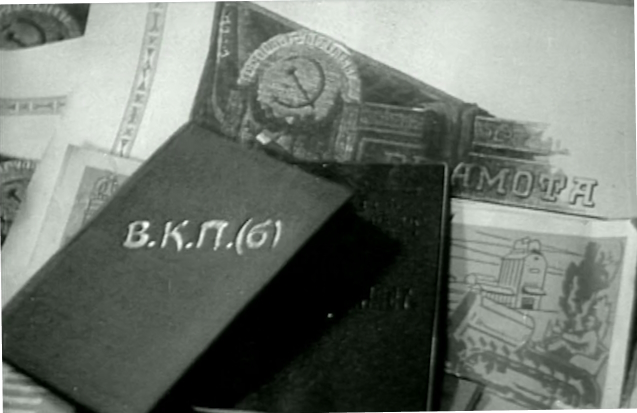
The first group of deportees to Nazino were petty criminals, delinquents and even vagrants, peasants who had left their villages looking for work in the cities but could not get passports. After them came the mostly innocent civilians arrested for not having passports on them, even if they had just left them at home or popped out for a packet of cigarettes without them, or were passing through the city and hadn’t needed one. It didn’t matter if they were party members or valuable workers. What they had in common was no knowledge of how to survive outside the city or to work the land.
With no preparations in place to feed or house the thousands of deportees, authorities decided to unload the barges full of prisoners on the island near the village of Nazino which soon became known as Cannibal Island. A week after being confined to the island, doctors started reporting incidents of cannibalism. News of this was sent back to Tomsk, but the response was to send another 1,000 prisoners and no extra food.
Within 13 weeks, over 4,000 of the deportees had died or disappeared, and most of the survivors were in ill health. Those who attempted to swim across the river to safety were killed by armed guards. The survivors formed gangs which preyed on the others and ate what food was available, including human flesh. The guards ignored the cannibalism and concentrated on shooting those trying to escape; there was in any case no provision in the Soviet criminal code against necrophagia (eating the dead). One survivor reported:
“I only ate livers and hearts. It was very simple. Just like shashlik. We made skewers from willow branches, cut it into pieces, stuck it on the skewers, and roasted it over the campfire. I picked those who were not quite living, but not yet quite dead. It was obvious that they were about to go — that in a day or two, they’d give up. So, it was easier for them that way. Now. Quickly. Without suffering for another two or three days.”
Young women were particularly preferred by those hunting for meat, and the guards claimed that escapees would take a “cow” – a young, naïve person who was glad to join the escape, but was chosen as a walking meat larder for when the others ran out of food.

Although this happened in 1933, it was not until the 1980s, in the preliminary days before the fall of the Soviet Union, that the archives were opened and historians were able to review the report of Vasily Velichko, a Soviet propaganda worker who had dared to investigate and had even written to Stalin about it. Stalin had ordered a commission of enquiry. These reports were finally published in 2002 by the human rights organisation Memorial. One eyewitness report sighted by the organisation stated:
“They were given a handful of flour. They mixed it with water and drank it and then they immediately got diarrhoea. The things we saw! People were dying everywhere; they were killing each other … On the island there was a guard named Kostia Venikov, a young fellow. He fell in love with a girl who had been sent there and was courting her. He protected her. One day he had to be away for a while, and he told one of his comrades, “Take care of her,” but with all the people there the comrade couldn’t do much really… People caught the girl, tied her to a poplar tree, cut off her breasts, her muscles, everything they could eat, everything, everything … They were hungry, they had to eat. When Kostia came back, she was still alive. He tried to save her, but she had lost too much blood.”
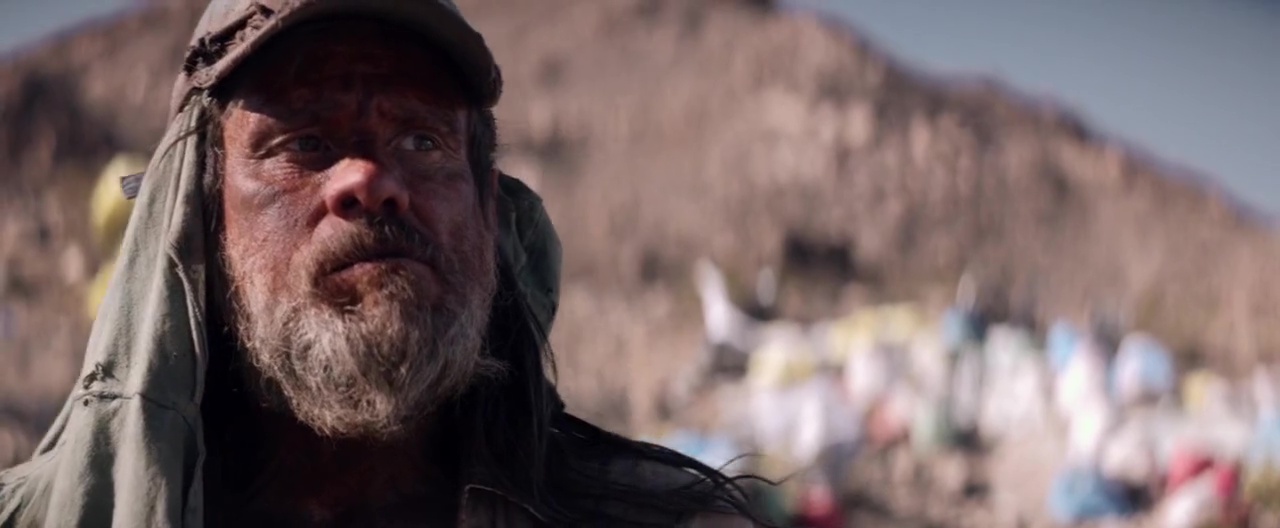
This is a thorough documentary, with plenty of historical images and film clips. That makes the recreations a bit confusing. Obviously, the guy playing Velichko is an actor, but what about the narrator, who tells us he is Ivan Portman, and that his grandfather was arrested in May 1933 and deported, making this seem a personal rather than just a historical account? He is portrayed by French actor/director Fabrice Pierre with English voiceover by actor Geoffrey Bateman. The documentary is basically a recreation of the Velichko report and the commission of enquiry, told by animations and live actors, together with commentary by (real) historians. This is never really made clear.
But overall, it’s a fascinating glimpse of an event from almost a century ago that sheds light on modern politics too. People are still crammed together in inhuman conditions all over the world. A billion people go to sleep hungry each night around the world. When food ceases to exist, death is one option, eating each other is the other, and when it happens, it is not too surprising. The only question is whether it will be done cooperatively like the survivors of Uruguayan Air Force flight 571 in 1972, by some sort of lottery as shipwrecked sailors often did, according to racial or other rankings as in the Donner Party, or just degenerate into a kind of survival of the fittest as individual predators or by Lord of the Flies or Yellowjackets tribalism, as happened with the gangs of Nazino. Unfortunately, the last option is probably the most likely.
The full documentary can be seen on Tubi:




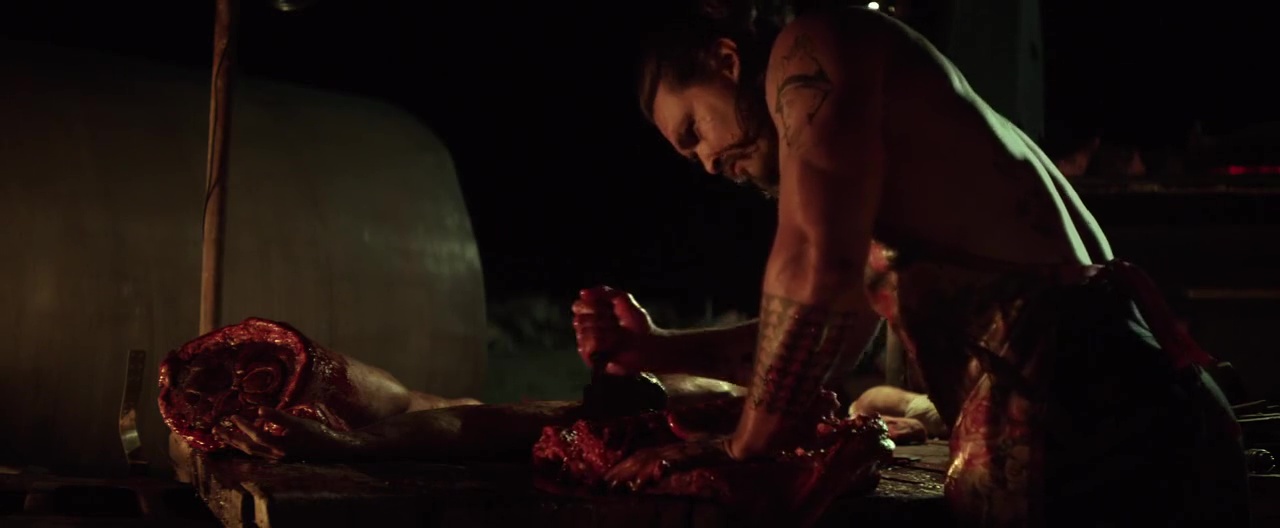




 The Cannibal Guy