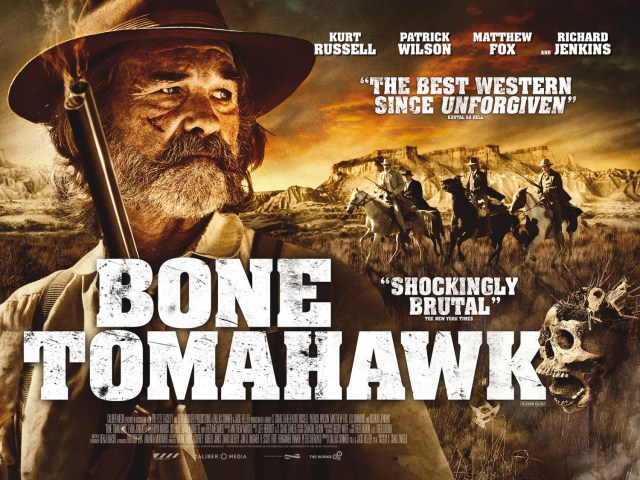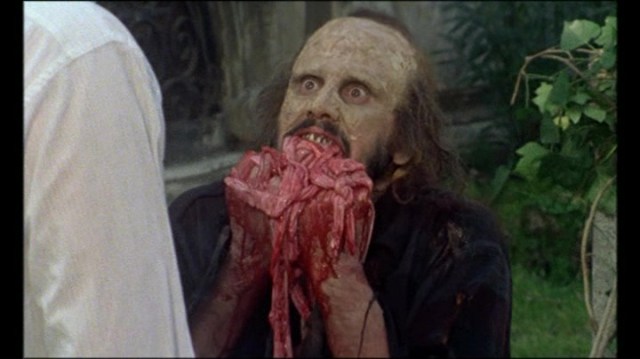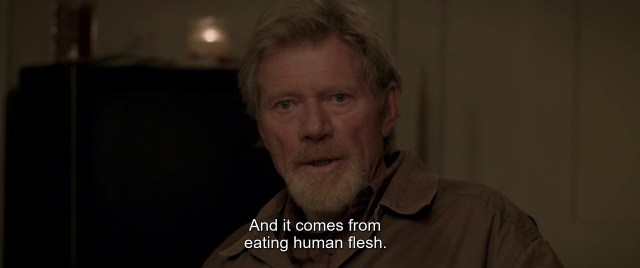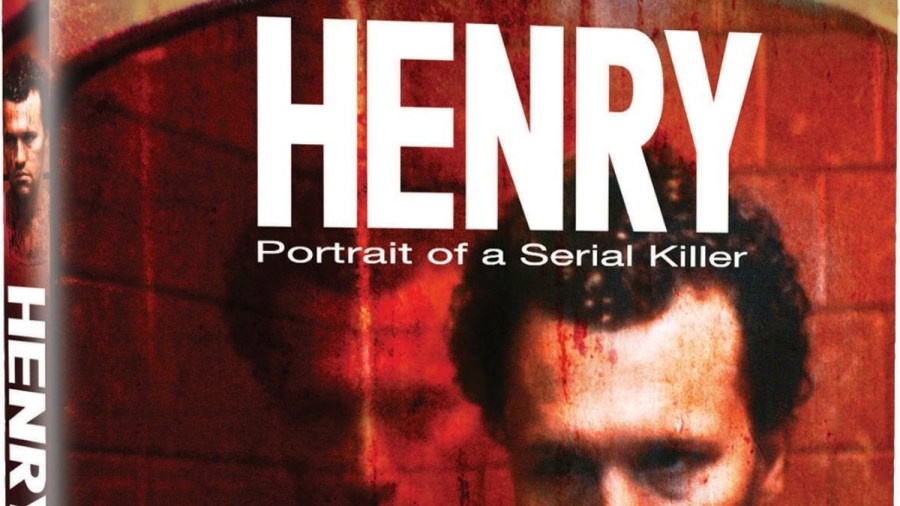
Henry: Portrait of a Serial Killer (1986)

Henry: Portrait of a Serial Killer is an American psychological crime film directed and co-written by John McNaughton that depicts a random crime spree by Henry and his protégé Otis, who torture and kill with impunity. Michael Rooker in his debut film plays the nomadic killer Henry, Tom Towles plays Otis, a prison ‘friend’ who lives with Henry, and Tracy Arnold is Becky, Otis’s sister.

The characters of Henry and Otis are loosely based on convicted real life serial killers Henry Lee Lucas and Ottis Toole, who was famous for his claims to have cannibalised many of their victims, claiming that they also supplied women and children for human sacrifice to a cult called “The Hand of Death”.

Henry confessed to over 600 murders, which supposedly were committed between his release from prison in 1975 to his arrest in 1983, a pace that would have required a murder every week. A detailed investigation by the Texas attorney general’s office ruled out Lucas as a suspect in most of his confessions by comparing his known whereabouts to the dates of the murders to which he had confessed. It appears that the police would bring any cold case to his attention, feed him information about it, and then let him take responsibility. He had nothing to lose, and global fame and notoriety to gain. He was convicted of 11 murders and sentenced to death for the murder of an unidentified female victim known only as “Orange Socks.” His death sentence was commuted to life in prison by Texas Governor George W. Bush in 1998 due to evidence that Lucas was in Florida at the time “Orange Socks” was killed in Texas. Lucas later recanted all his confessions except for the murder of his mother, and died in prison of heart failure on March 13, 2001.
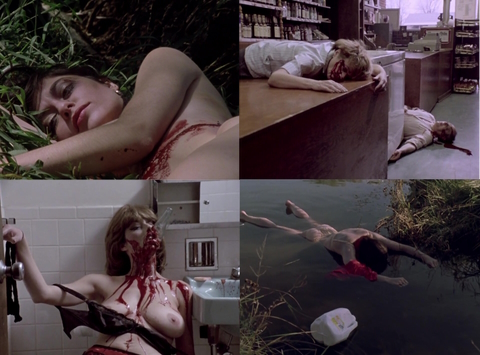
The film involves a lot of scenes of Henry driving his battered old Chevy Impala around the grey streets of Chicago, finding people to kill. Images of bloody mayhem are offered for their shock value and become repetitive, and rather fake, but then the film was made on a tiny budget.

Some narratives in the film run parallel to what we know of the real serial killers. Henry did meet Ottis, but in a soup kitchen in Jacksonville, Florida, not in prison. Henry’s father really did lose both of his legs after being struck by a freight train, leaving Henry at his mother’s mercy. But the film largely omits the long-term homosexual relationship between them (shyly hinting at it when they share the last can of beer) and, sadly, totally omits Ottis’ predilection for cannibalism.
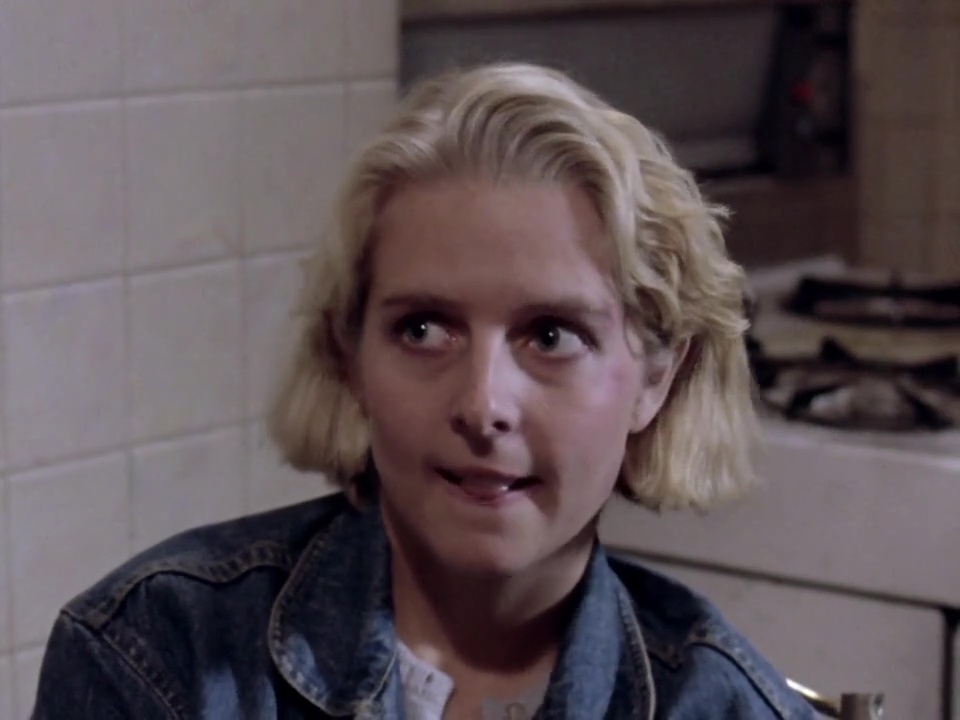
Henry did sexually abuse Ottis’ 12-year-old niece Frieda Powell, who lived with them for many years. As in the film, Powell preferred to be addressed as Becky rather than Frieda. However, in the film Becky is Otis’s younger sister, and is presented as a considerably older single mother, not the real 12-year-old Powell.
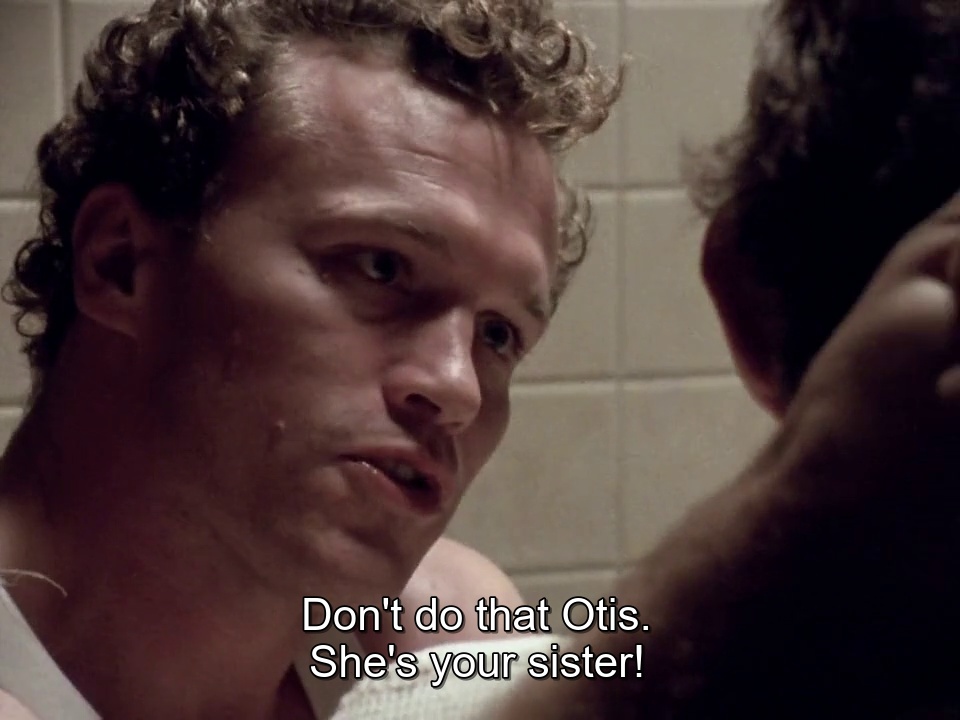
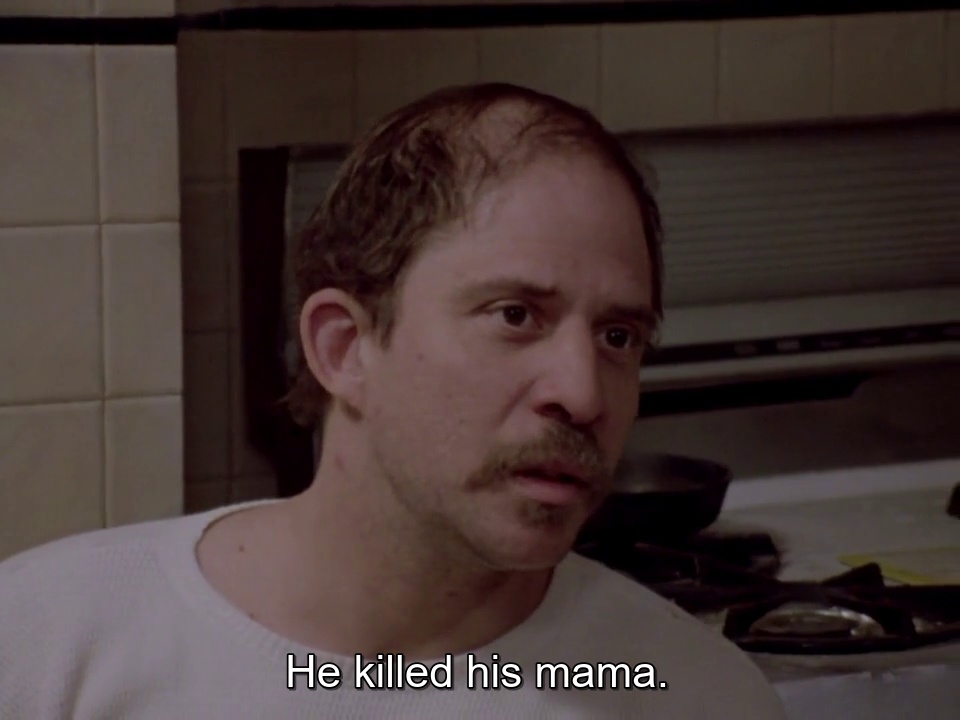
Sexual neurosis is presented as the root cause of the violent tendencies of both men. Otis, who is shown attempting to sexually abuse his sister, tells her that Henry killed his own mother, and when Becky asks Henry about it, he tells her his mother was a sadist and a “whore”, who forced him to watch her having sex with clients, sometimes making him wear girls’ clothing for further humiliation.
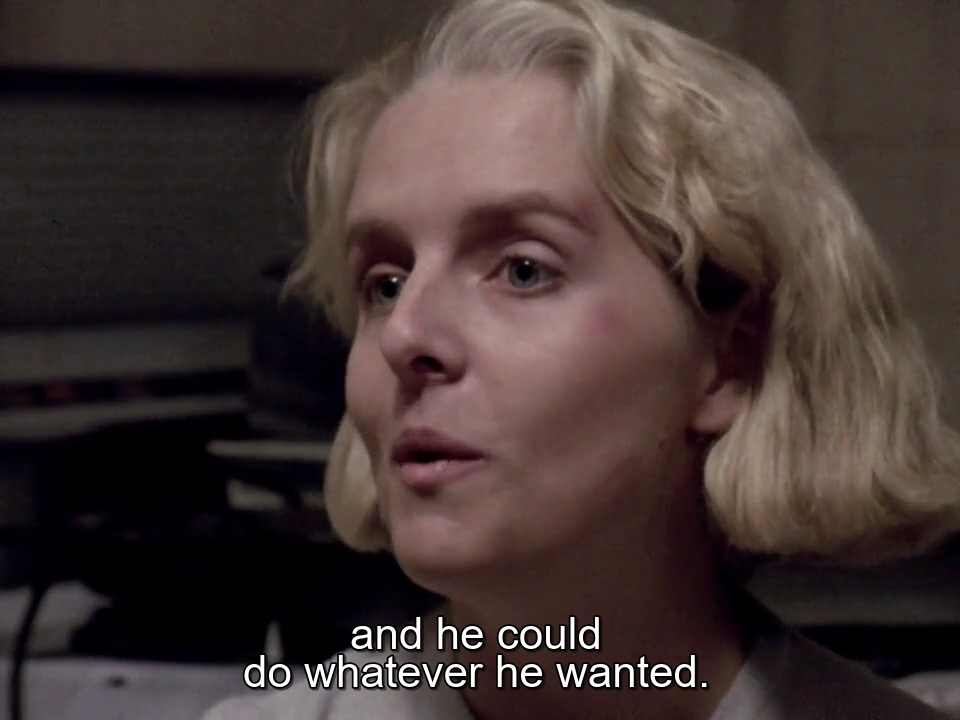
Becky in response tells Henry of her childhood, in which she was regularly raped by her father, with her mother claiming not to believe her.

“He told me he had a right, because he was my daddy and I was his daughter, and he fed me and let me live in his house, and he could do whatever he wanted. And he did… I didn’t fight him, because when I did he just hit me.”
Henry introduces Otis to his world of serial killing when they pick up two sex workers and Henry snaps their necks during sex, suggesting that he is revenging his mother’s abuse. To Henry, the world is against him, and murder is “always the same, and it’s always different.”
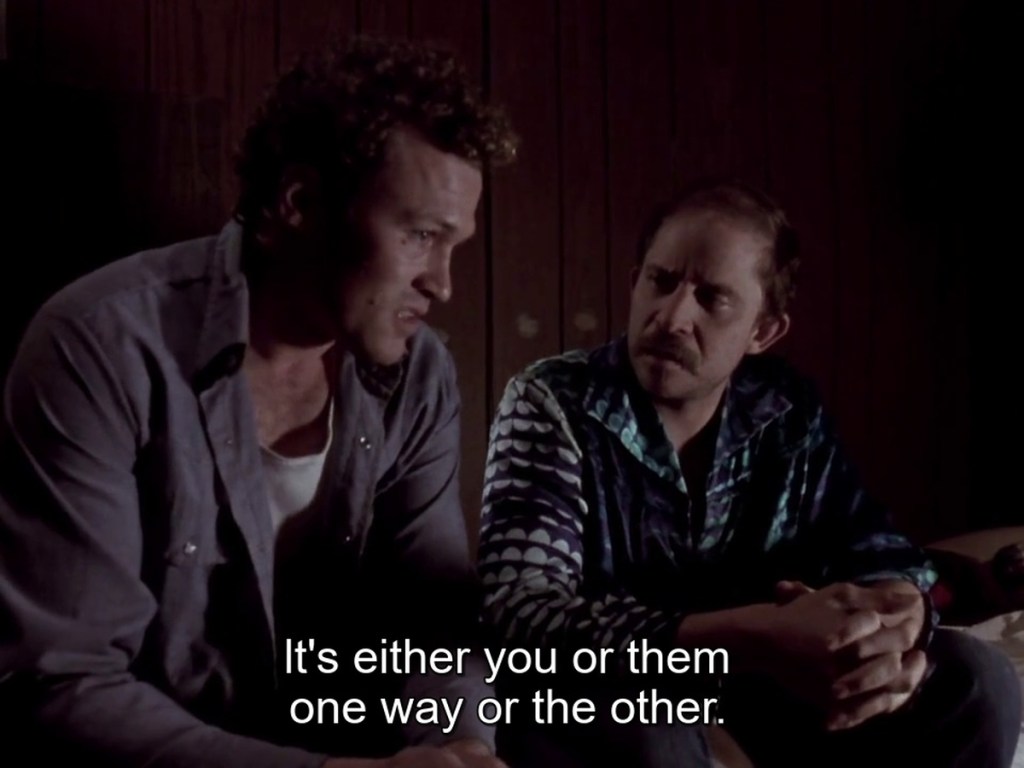
Otis gets a taste for murder when they kill a fence who mocks them when they try to buy a television from him, and then actively seeks out opportunities when a high school boy he comes on to punches him in the mouth. Henry says it would be a mistake to kill the boy, since they’ve been seen together, but Henry wants to kill someone. It’s the world being against them, again.
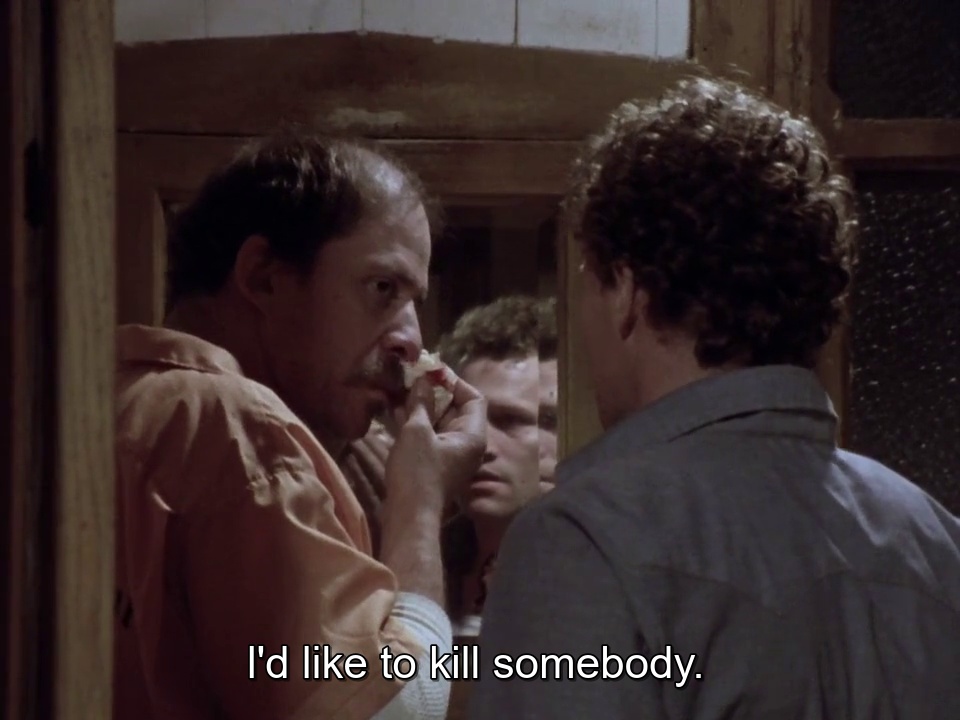
Henry schools Otis to make sure every murder is different – that way there can be no M.O. for the police to follow. A particularly brutal scene of the murder of a family is videotaped by the pair (on a camera stolen from the dead fence) and Otis enjoys re-watching himself molesting the screaming woman, breaking her neck and then attempting necrophilia, until Henry orders him to stop, just as he forced him to desist from molesting Becky when she arrived. When Henry finds Otis raping his own sister, he fights him and with Becky’s help, kills him.
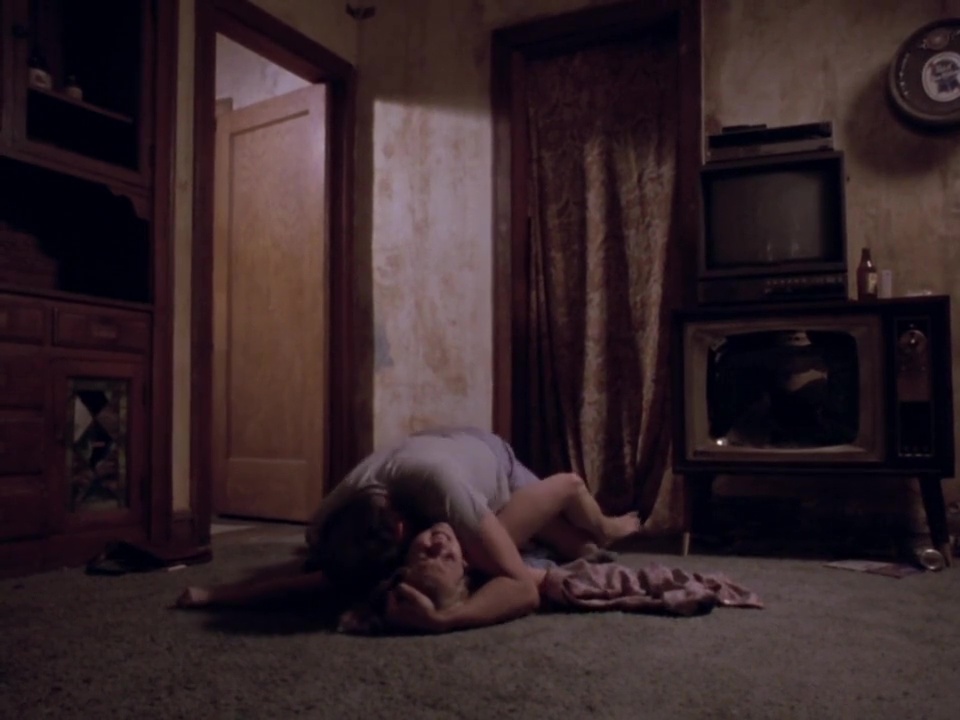
Henry has his own moral code, in which murder is fine, but incest, family violence and necrophilia are forbidden. The real Henry’s paedophilic involvement with twelve-year-old Becky, and the real Ottis’ interest in eating people, are never mentioned.

Incest, murder and cannibalism are the three great taboos of our civilisation according to Freud, the driving forces behind the creation of laws and morals, which stop us destroying our communities by doing those things. The movie sadly concentrates on the murders and has references to incest, but totally ignores the cannibalism.

Unlike the film, the real Henry did not kill Ottis – both men died in separate prisons, Ottis in Florida State Prison in 1996 and Henry in Ellis Unit, Huntsville, Texas in 2001.
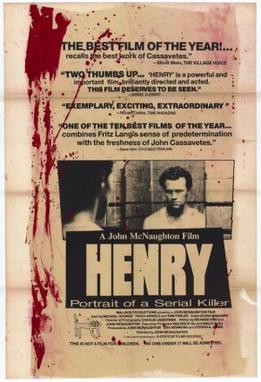
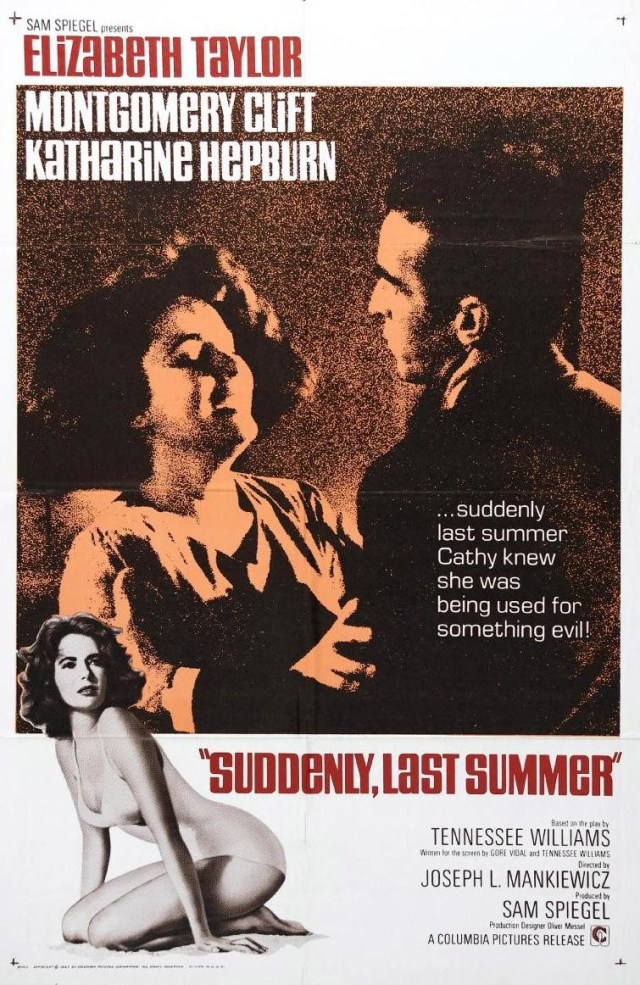
Due to the violent imagery, the film was censored in many markets and the original poster (above) was banned. The controversy brought it some very valuable publicity. The reviews were also mostly positive – it has an 89% “Fresh” rating on Rotten Tomatoes, with Roger Ebert observing that the film does not “sugar-coat” or trivialise violence as most slashers tend to do, and calling it:

“a very good film, a low-budget tour de force that provides an unforgettable portrait of the pathology of a man for whom killing is not a crime but simply a way of passing time and relieving boredom.”

It’s well made (considering the miniscule budget), the cast are terrific (in both senses of the word) and the plot, if somewhat out of step with the reality of the case, is well presented and never dull. But why should it stick to the “facts” of the case, when clearly neither Henry nor Ottis were too sure what was real and what simply bravado?
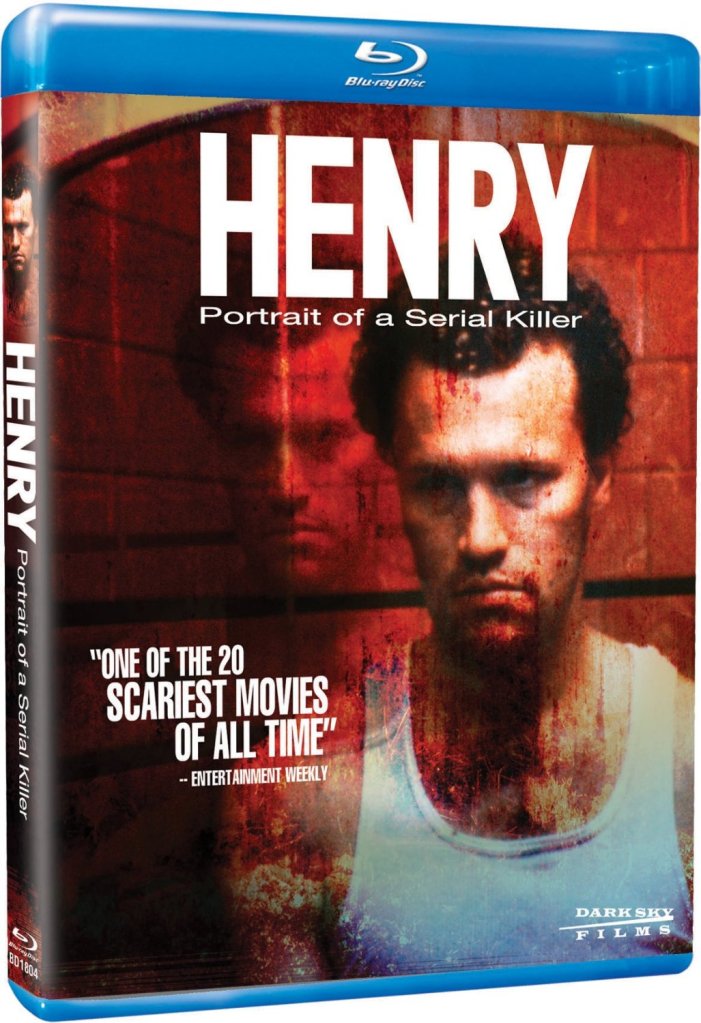
A sequel, Henry: Portrait of a Serial Killer Part II, was released in 1996, but without any of the cast or crew from the original.

“After you’ve taken everything, what will be left?” THE FEAST (Lee Haven Jones, 2021)

First things first, and this is a first – the first time THECANNIBALGUY.COM has reviewed a Welsh film. They are not as rare as we imagine (particularly in Wales) but the fortunate coincidence of Welsh language and cannibalism has not raised its head before. Luckily, this one makes up for lost time – Dread Central called it

“a delightful, sumptuous dish from start to finish”

And that is exactly what we are served – a fancy dinner party in which the hired help, Cadi (Annes Elwy) has a lot more to offer than just laying the table and preparing the feast. The feast is to be held in the Welsh mountain home of a rich family who clearly owe their fortune to outrages against the environment. They have invited a sleazy businessman, Euros (Rhodri Meilir), who has been drilling for oil on their land.

The film opens with the contrast of the green fields (and how green is Wales!) being penetrated, raped, by a giant exploration-drilling rig. A man standing next to the machine is then seen staggering through the fields, only to collapse with blood streaming from his ears.

This is a cannibalism blog, and the cannibalism takes place near the end of the film, so I apologise for spoilers. The Feast is on Hulu or available for purchase or rent on the usual platforms, so if you’re going to watch it, and don’t like spoilers, go and watch it then come back (please) for my analysis. Then again, the Director recommends watching it several times, saying you’ll get more out of it each time. So it is not really a mystery, more a mood piece, and knowing what is going to happen may actually enhance the enjoyment of the story.

Cadi as a hired kitchen hand is the epitome of the saying “you can’t get good help anymore” taking ages to actually do any work, and getting it all wrong – she knows nothing of human etiquette. Turns out she is a nature goddess, disturbed by the drilling, taking the body of a woman who has just drowned, and she knows the humans in that house are up to no good. She is badly frightened by the sound of the father, the local (and clearly corrupt) politician, shooting rabbits. Her hands excrete mud, and she stains the pure white tablecloth she has just laid out; messy nature is invading the stark and sterile human house. When he brings the rabbits for her to skin, she flees into the fields, where one of the sons tells her that’s why his father likes to come back to Wales from Parliamentary duties in London.

The MP’s wife Glenda (Nia Roberts) takes over the skinning of the rabbits, much to Cadi’s disgust. Nature, as Tennyson told us, is red in tooth and claw, and rabbits routinely come to a sticky end by way of fox or disease or trap. But Cadi, who it seems is not too worried by bloodshed when it comes to humans, is horrified not at the slaughter and plunder, but at the use of technology to do it – guns, oil rigs. Nothing natural enters this human world, because civilisation, in its modern technological form of patriarchal capitalism, is built on the rejection of animality and domination of nature.

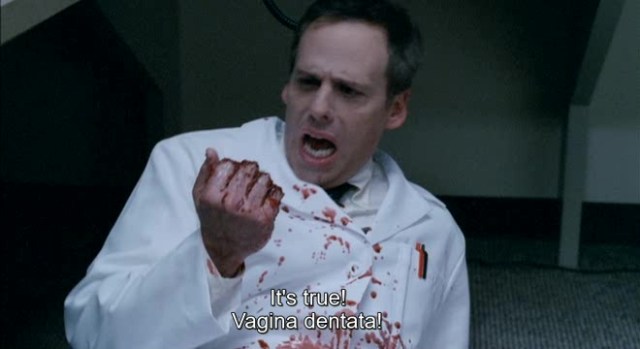
The man most guilty is Euros (Rhodri Meilir), an oil driller who is hoping to use the dinner party to persuade the family’s neighbours to allow drilling on their land. Euros arrives in his fancy car and admonishes Cadi for slacking off, whereupon he drops (perhaps with her magical intervention) a bottle of expensive wine. Told to clean it up, Cadi tastes the wine on the driveway and then inserts a piece of the broken bottle in her vagina, with no sign of any discomfort. This acts as a vagina dentata; she subsequently uses it to kill one of the sons by offering him sex.

He’s the one who had left medical school to prepare for a triathlon, part of his training involving eating nothing but raw meat. And he’s not the weirdest person there. Nor is his the most gruesome death.

Some people don’t like subtitles, but generally hearing the words in another language adds a dimension, a music or poetry, and this film would not have been as powerful in English, even though the patriarch is an MP who spends most of his time in London. As the Director put it,

“Our culture’s incredibly rich in terms of myths and legends.”

The film adapts various Welsh folk legends. One is the story of Blodeuwedd, who was made of flowers by two magicians in order to help their protégé, Lleu Llaw Gyffes, who’d been cursed by his mother never to take a human wife. Jones explained:

“This wizard harnessed the forces of nature and put her in a body of flesh and blood. But, of course, Blodeuwedd was very frustrated by that, and therefore decided to get her revenge. The character of Blodeuwedd is very definitely in the DNA of Cadi.”

The drilling site is called “The Rise”, a burial site that is considered sacred, although modern, rationalist people like Glenda scoff at this, claiming it was just a way to frighten children away from the fields. But Cadi is the goddess who was resting in The Rise, and they have disturbed her. She is out for revenge.

Freud wrote about the “death drive” which propels all life in the direction of death, a return to its original organic form. In The Future of an Illusion, he described how humans connect this death drive to nature, which is interpreted as the enemy of civilisation. Humanity therefore fights an unremitting war with nature, seen as the cause of the excruciating “riddle of death”, a war in which we may win every battle but, as mortals, we must lose the war.

German philosophers Max Horkheimer and Theodor Adorno wrote in Dialectic of Enlightenment that

“Human beings are so radically estranged from themselves and from nature that they know only how to use and harm each other.”

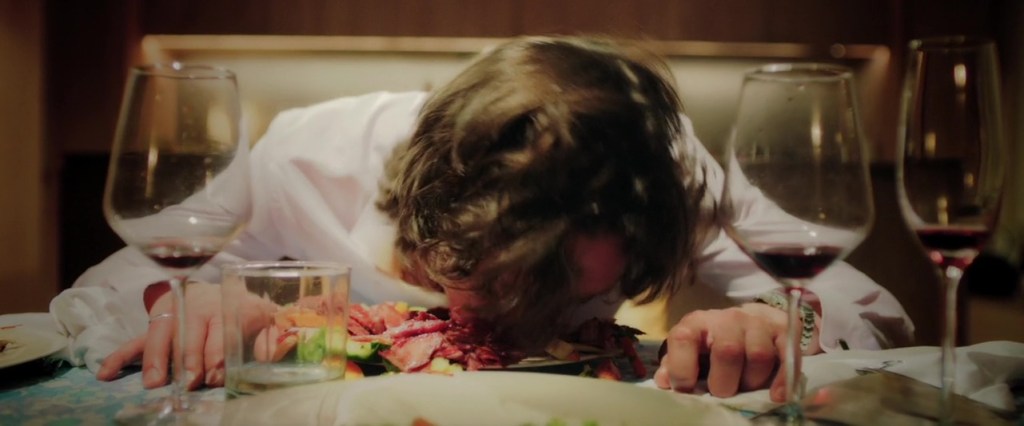
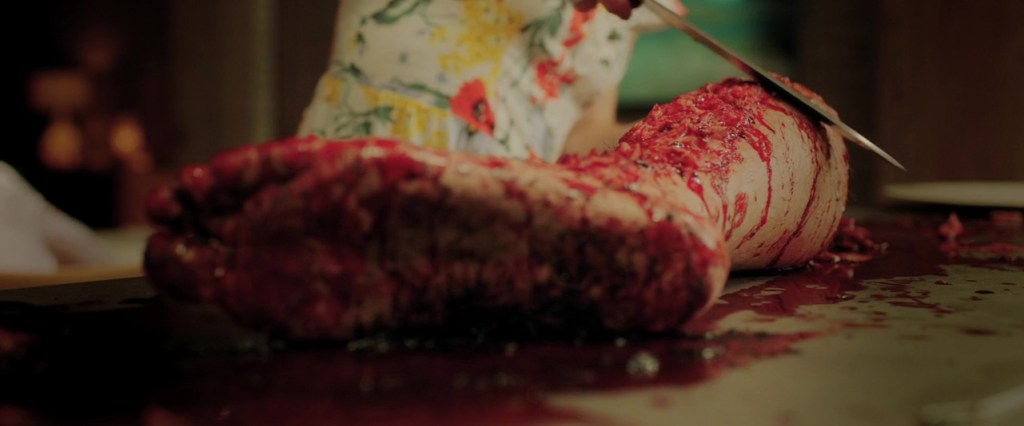
Humans invented the “seven deadly sins” to judge themselves and others. So now Cadi, or the goddess who controls her body, judges and executes judgement on the family according to their sins. The father represents greed (taking bribes even though he is already rich), the mother exhibits envy, trying to bully her friend, who is content being a simple farmer, into giving in to the oil company’s plans, and the sons exhibit wrath and lust (one is a drug addict who is furious with his family for confining him in the country, and the other has been fired from the hospital for raping sedated patients). Then there is Eunos, the skinny man who offers the perfect image of gluttony; the corrupt capitalist is voraciously eating everything left on their plates, his face plunged into the food, not bothering with cutlery. The mother, in a trance, butchers her son’s body and puts slices of his leg in front of the insatiable Eunos, who gobbles them down. This is the “feast” of the title, and it’s the last supper for that family.

Eunos falls into food catalepsy, and when he awakes, Glenda has a shotgun pointed into his mouth, and asks him the question that sums up the film, our society, Western civilisation and the era that has come to be called the Anthropocene.

“After you’ve taken everything, what will be left?”

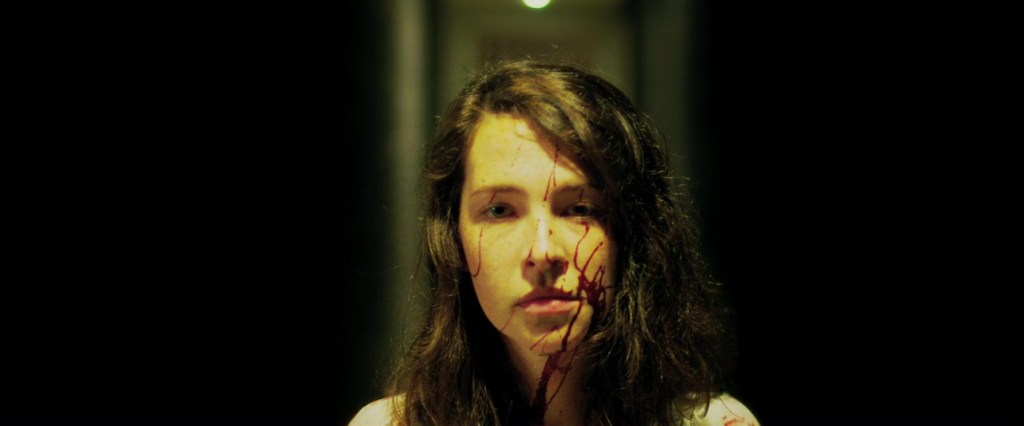
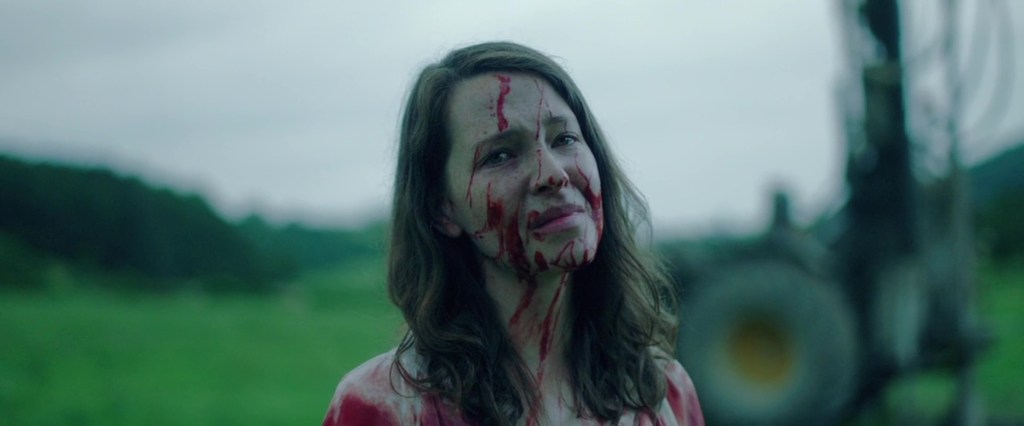
The final scene of the film is a tour de force by Annes Elwy, no longer Cadi but now the goddess, covered in blood, at first smiling at her triumph, but then sinking into grief at the prospect that the war will continue until either humanity or nature (including us) is destroyed utterly.

Like Helen Mirren in The Cook, The Thief, His Wife and Her Lover, she is looking directly at us, the viewers, accusing us of complicity, both in the war and the cannibal feast.

The film scored a very respectable 82% on Rotten Tomatoes, meaning that four times more critics liked it than didn’t. Those who didn’t carped about it being slow in the first half, a criticism that is often levelled at movies sold as horror but offering more intelligent themes than just slasher gore. The acting is superb, the photography is stunning, particularly of the natural environment and the contrast with the stark family home, and the soundtrack is never less than interesting, and often (especially the Welsh songs) quite enchanting. Well worth seeing, and perhaps, as the Director suggests, more than once.

What’s your favourite cannibal movie?

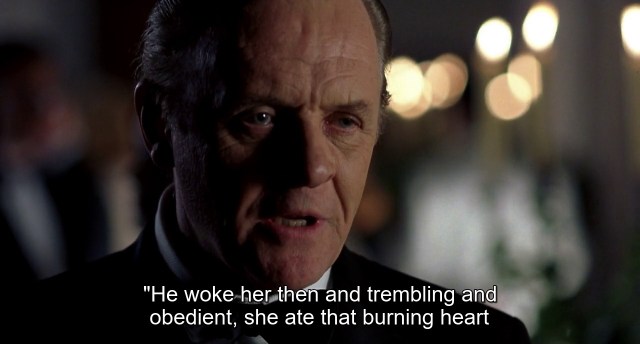
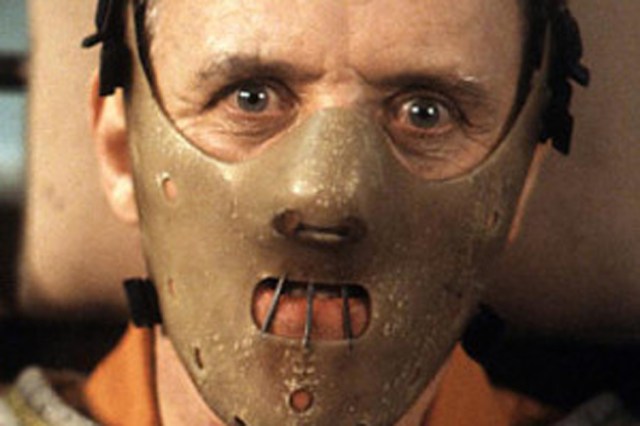
Of all the (sometimes) wonderful cannibal movies and shows I have reviewed in this blog, my personal favourite is still The Silence of the Lambs with Anthony Hopkins as Hannibal the Cannibal. It was the first film I reviewed on this blog (does that mean I liked the others less each time? Not at all), and interestingly, it does not actually feature any cannibalism, although we hear a lot about it.
Fun fact!

So I was pretty chuffed to find that The Silence of the Lambs is the favourite horror movie of the State of Utah, according to the Horrornews.net website. They used information from Rotten Tomatoes and Google Trends, and partnered with Mindnet Analytics, to analyse how interest in horror movies varied in each US state and the District of Columbia (DC). The results are presented on their website:

Best Horror Movies: Which Does Each US State Love Most?

This survey covers all horror, whereas in this blog we concentrate on the cannibal, so please let us know your favourite cannibal film (or TV show, but if it’s a series, your favourite episode) either in the comments at the bottom of the page (after a few suggestions) or at cannibalstudies@gmail.com. I’ll let you know the results.

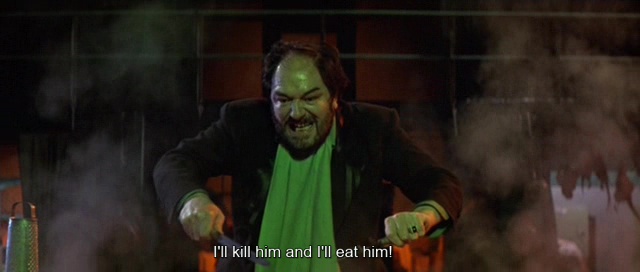
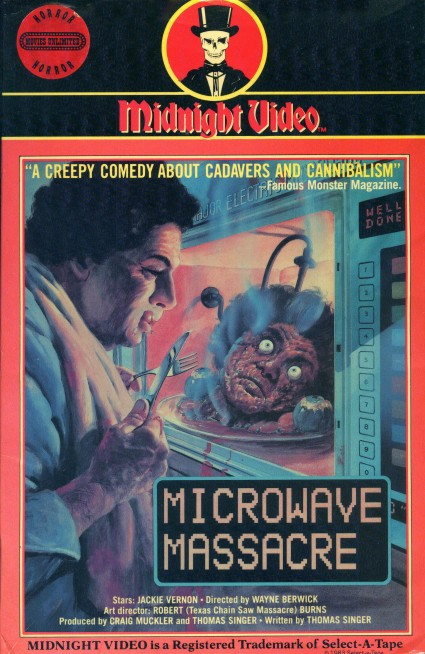
Meat the wife: “MICROWAVE MASSACRE” (Berwick, 1979)

“Anthem Pictures reluctantly presents what is considered to be the worst horror film of all time…”

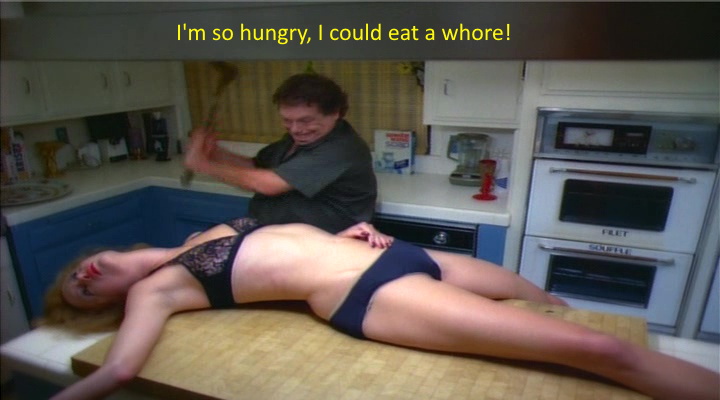
That’s the start of the trailer (above) and like many trailers, it has some exaggeration and outright untruths to offer. This is not the worst horror film of all time, it may not even be a horror film, being perhaps better categorised as a comedy with blood and boobs (both presented somewhat gratuitously).

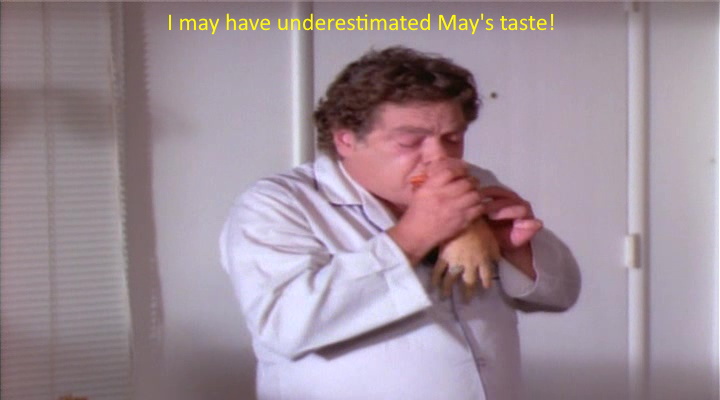
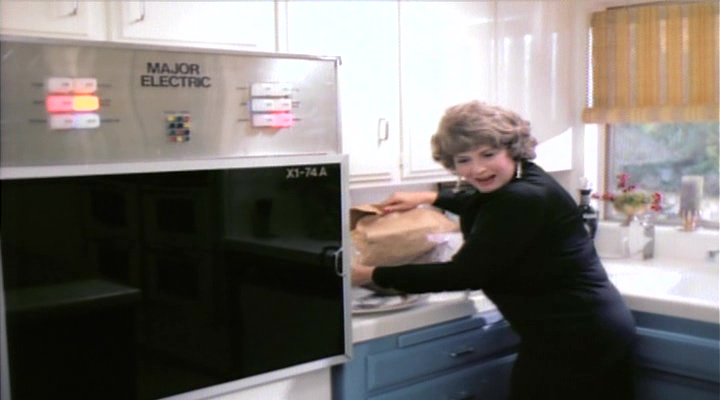
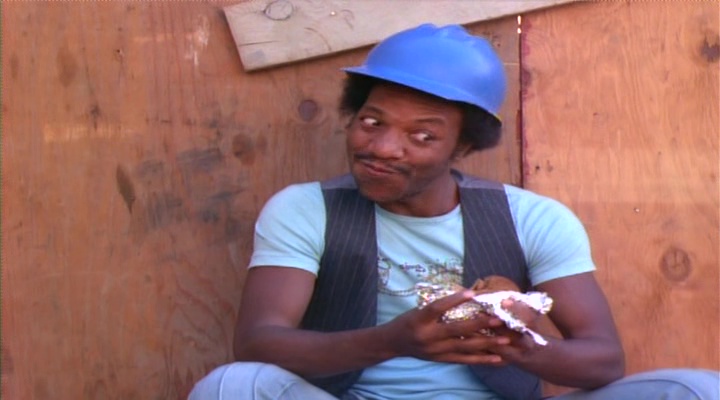
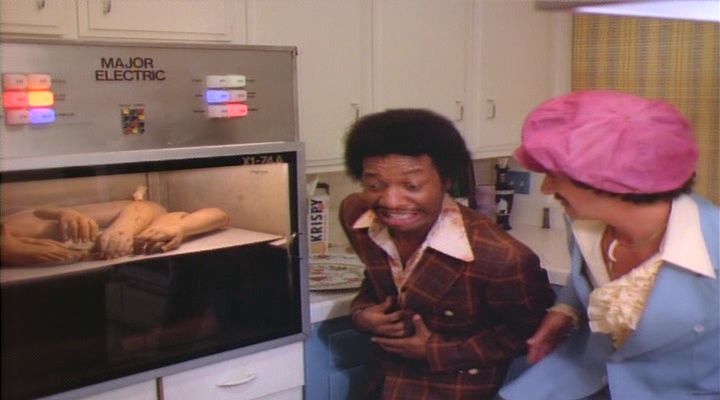
The story ‘follows’ a construction worker named Donald (Jackie Vernon, who was an American stand-up comedian and actor best known for his role as the voice of Frosty the Snowman; this was his last feature film). Donald’s wife May has bought an absurdly huge microwave, and after a quarrel about the fact that he doesn’t like the gourmet dishes she prepares in it (he only likes “food he can pronounce”), he kills her and puts her in it.

Has he never heard of preparing his own meals? Well, that’s what he ends up doing, with a sudden abundance of meat – perfectly cooked, as soon as he turns on the microwave.

He finds that his friends on the construction site love his cooking, turning them into what cannibal studies calls “innocent cannibals”, those who eat human flesh unknowingly, as did the customers of Sweeney Todd.

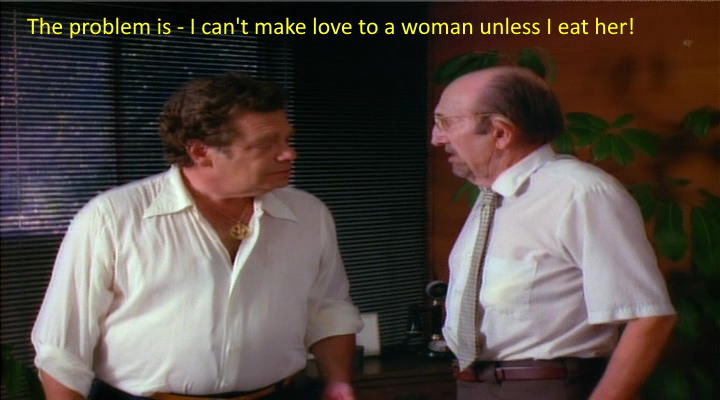
To keep the food flowing, he takes home a prostitute and kills her during sex, then lights a cigarette, only to wonder if the smoke is for “after sex or before dinner.” Getting the picture? Other victims follow, including a woman dressed as Big Bird which allows the film some levity with chicken jokes such as “I thought you were a leg man, not a breast man”. We witness Donald’s M.O. – screw them, kill them and cook them. He tells his psychiatrist, who sleeps through his confession, that

The psychiatrist, newly awakened, assumes he is talking about a more symbolic cannibalism, cunnilingus, and encourages him to “do it do it do it! She’ll lose her head over you!” Ah, the witty double entendres! Donald goes to Chinatown, and promises his friends he’ll be making “Peking Chick”.

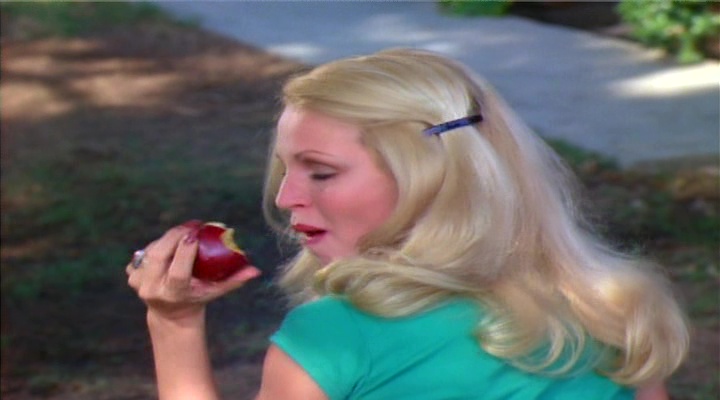
It’s full of those sorts of puns, and they are closer to horrendous than humorous. Each joke is based on racism, sexism or speciesism, and usually all three woven together, into a dish less palatable than the unfortunate May. Except for May and her sister, women are presented as promiscuous and available temptresses: a mixture of Eve and the Serpent who enticed her to taste the forbidden fruit in the original sin. There is in this film virtually no character development required before the victims are fucked and eaten.

The movie is barely longer than a modern TV episode at just under 1¼ hours. That seemed at times to be about seventy minutes too long. However, the film somehow managed to get 35% on Rotten Tomatoes, with Allmovie stating:

“Despite utterly failing as comedy, horror and pornography, Microwave Massacre is grotesque enough in design and attitude to be fascinating, much like a car accident.”

This is actually a better result than the director’s later movie The Naked Monster which managed a massive 12% rating of rottenness.

On the other hand, The Independent Critic thought it was “incredibly funny”, but warned:

“Vegetarians beware, this is a meateaters (sic) delight and the faint of heart should probably steer clear.”

Now, I’m just not sure why ‘meateaters’ would find images of women being murdered and cut up a ‘delight’. It seems to me after some careful study that meateaters prefer to maintain a judicious nescience about the source of their protein, which is why we see high walls around slaughterhouses and the careful dismemberment and presentation of the ‘products’ as not the parts of an animal but ‘just meat.’ Donald’s friends are horrified to find that the food they have been eating is a different kind of mammal to the one they expected. But they never asked about the species inside the lunchbox.

The combination of sex and slaughter is entirely aimed at and inflicted upon young women (Donald is nauseated at the prospect of having to eat May’s middle-aged sister, and leaves her tied up in a closet). This reflects the practices of animal agriculture which predominantly exploits the juvenile female body (eggs, milk, babies) before slaughtering them for meat. As a cannibal studies text (as opposed to a bad movie), this might appeal less to ‘meateaters’ and more to Carol J. Adams, who describes this process in detail in her book The Sexual Politics of Meat, which she describes as:

“an attitude and action that animalises women and sexualises and feminises animals.”

If I haven’t put you off yet, the film is available at Amazon for sale as a 2-disc special edition or for download or rent.


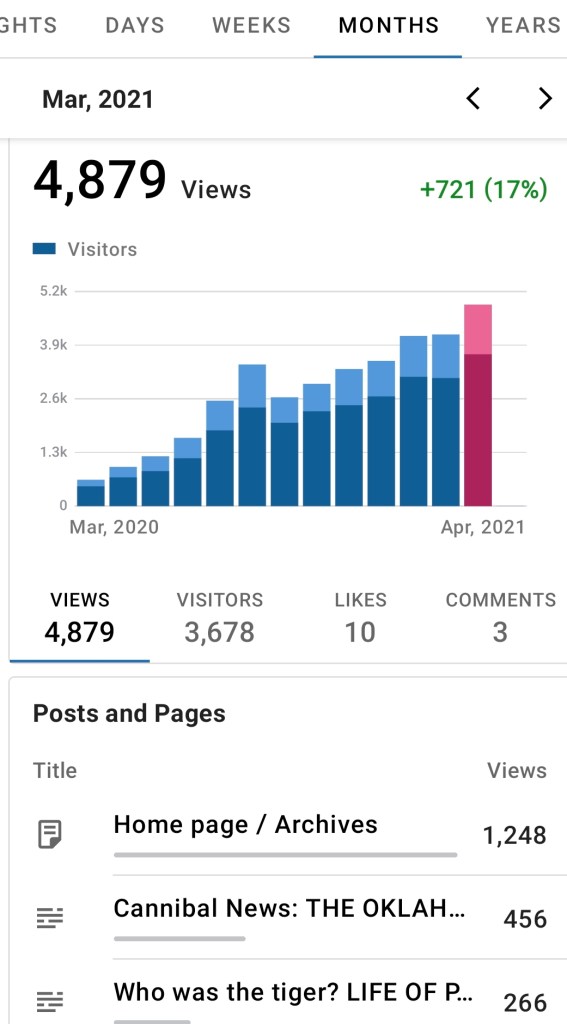
While we’re here, I would like to thank you for reading this blog – the readership has been going up steadily each month, and set a new record in March.

THANK YOU!

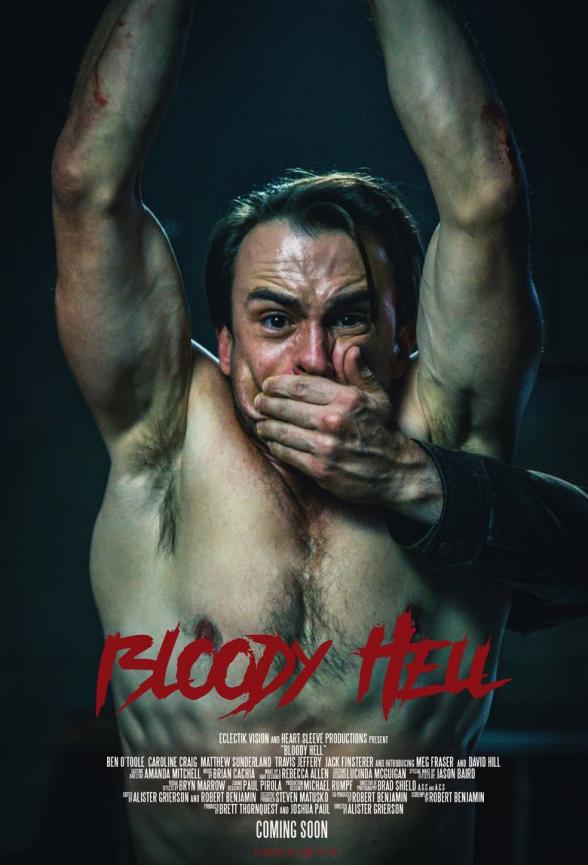
BLOODY HELL (Alister Grierson, 2020)

This is a ripsnorter of a thriller, and full of surprises. Defiantly internationalist, the film is an Australian-British action/horror film directed by Alister Grierson (Kokoda, Sanctum, Tiger) and written by Robert Benjamin. It is set in a basement in Helsinki Finland with scenes in Boise, Idaho, and features mostly Australian and New Zealand actors, with American or Finnish accents and dialogue as necessary. It was made on the Gold Coast in Queensland (as many blockbusters have been recently).

The main characters are both personas of Rex (Ben O’Toole – Hacksaw Ridge, Detroit, The Water Diviner).  O’Toole is superb (imagine a combination of Bruce Willis and Robert Downey Jr) in two roles: both the physical Rex and his inner voice, the part of him (and all of us) which commentates his life and ordeals, screams abuse, even when pretending to be calm and collected or even unconscious, and debates the best responses, rational or emotional, to every aspect of what is going on around him. O’Toole called this Rex his character’s “conscience”, but it’s not a Freudian split between an ego and a superego (or id) – it is more nuanced, and the invisible Rex (invisible to other characters – the audience and physical Rex can see and hear him) argues about practical and ethical issues all the time, sometimes compassionate, sometimes sneering and violent. That inner voice, as we all know, is exhausting.

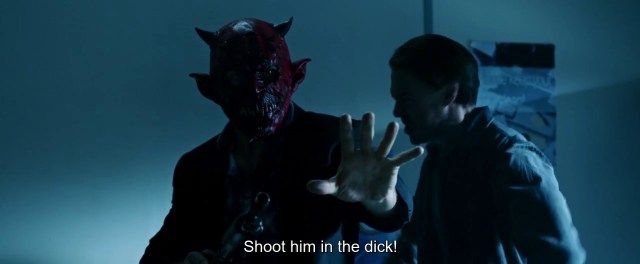
Rex and his inner voice are off to Finland. Why? Well, Rex was in a bank, chatting to a teller he fancied, when a gang of heavily armed men came storming in and violently robbed both the bank and the customers. Rex, ex-military, was able to take on the gang and kill them all, but the last one was ready to surrender when invisible Rex screamed:

As the last robber collapsed, dickless, his gun went off, killing an innocent teller who had been hiding in a cupboard. Rex became a media sensation, with half the population calling him a hero, and the rest a “psycho twat”, and a plea bargain saw him in jail for eight years for causing the teller’s death, leading to his decision to emigrate, on his release. In a flashback to his court case, Rex is asked why he shot the bank robber in that particular spot.

“I wanted him down… and I didn’t want him to reproduce… win – win!”

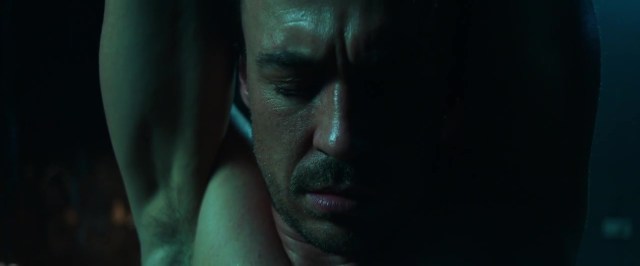
Why Finland? Well, he shot spitballs at a world map in his jail cell, and fate led him to that country. Where, unfortunately, a family of cannibals awaited him, and he wakes up, barely twenty minutes into the film, hanging by his wrists from a water pipe in a dark basement.

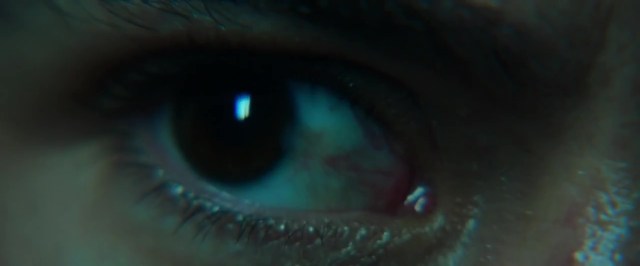
With the classic trope of cannibal films, used so well in Texas Chain Saw Massacre – the extreme close-up.

He is missing a leg, blood dripping from the stump, but his inner Rex is still fine and walking around, and furious at their precarious situation. Our imaginary self, after all, is as threatened by our mortality as we are.

It is clear to us, the audience, that Rex’s body parts are a living larder, although it takes the Rexs a bit longer to figure out why his leg is missing.

“Black market limb trade… is that a thing? I’m pretty sure there’s a niche there.”

It’s actually a very funny film – the dialogue between the two Rexs and even some of the murderous Finns is often hilarious. Rex pulls himself up to the huge knot to try to free himself with his teeth, observing that, short of one leg,

Rex’s love interest is Alia (Meg Fraser – Leech) the daughter, who has spent her life trying to escape her family.

Rex offers to “rescue” her (which considering his position is ambitious), and tells her,

“If we get out of here, I’ll tell you the whole story over dinner. I’ll even pay, huh?”

Now Rex has to dump on vegans to the girl whose family is upstairs eating the meat of his right leg; the family are definitely not vegans, nor can they see anything much wrong in giving their oldest son his preferred meat species. Alia explains that her older brother Pati is “the oldest and the hungriest”. Like Rex, he certainly does like a bit of meat, but, like the Wendigo, there is only one source that will satisfy him. Many omnivores will eat any meat except human. Pati will eat any meat as long as it’s human. As omnis like to say “it’s a personal choice.”

“He’s the reason you’re here. And very soon, there will be nothing left of you.”

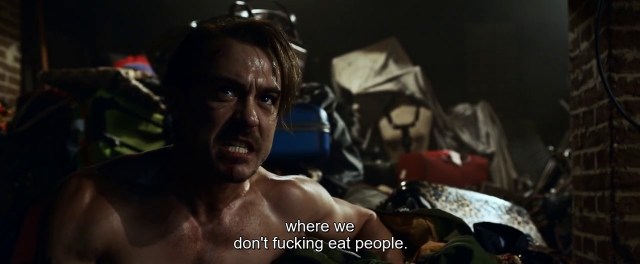
Cannibal Studies is usually concerned with the anthropological or metaphorical aspects of the act – exposing the outsider as uncivilised, or else dripping irony about our own rapacious appetites. This film manages to do both, as Rex rants about the Finnish family, and how he wants to be back in the good ol’ USA,

Which is ironic, because if you check the “Cannibal News” category on this blog, you will see that a goodly proportion of modern cases of cannibalism occur in the good ol’ USA (and none in Finland*). The USA is the apotheosis of consumer societies where, just like Alia’s brother,

The rest of the film concerns Rex’s attempts to escape – not easy when one leg is gone and one of the family members has just tried to saw off the second one. You’ll have to see it to find out how that goes. It’s well worth it. Film critic Rob Hunter sums it up nicely:

“It’s a serious tale of survival encased in blackly comic humor, maliciously creepy twins, and the most sweetly sensual stump-washing scene you’ve ever had the pleasure of witnessing.”

The movie premiered in Australia on October 8, 2020, and in the United States a day later at the Nightstream Film Festival. It has a 91% fresh on Rotten Tomatoes, with comments like “blissfully, absurdly over-the-top, but in a twistedly charming way”.
This is a blackly humorous horror-thriller, and is quite brilliantly executed by Alister Grierson, particularly as the hero, normally the action figure of such stories, is tied to the ceiling and missing a leg for most of the film. You might think that would slow down the pace, but director Grierson keeps it tearing along. I usually stop and start when reviewing a movie, but this one I gulped down in one sitting, then came back for details.

As for the lead actor, Ben O’Toole, he seems to have got a taste for the cannibal stories. He said in an interview that he’d like to play Titus Andronicus, who was William Shakespeare’s favourite cannibal.
Let’s not forget, too, how much cannibalistic symbolism is involved in sex, such as “I could eat you up” as well as various foodie words for cunnilingus and felatio. And of course the French (or Finnish) kiss, when Rex and Alia finally escape.

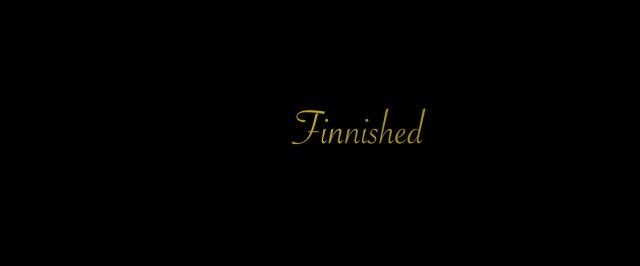
And just to prove other people like puns too, here is the last frame of the film.

* Actually, there is a case of Finnish cannibalism – Jarno Elg, a supposed Satanist, who was sentenced to life imprisonment in 1998 for murdering a 23-year-old man, eating some of the body parts and inciting some friends to participate in a ritual that included torturing the victim while listening to songs from The Cainian Chronicle album by the Norwegian black metal band Ancient. Elg was granted parole in 2014.

The movie is available at Amazon.