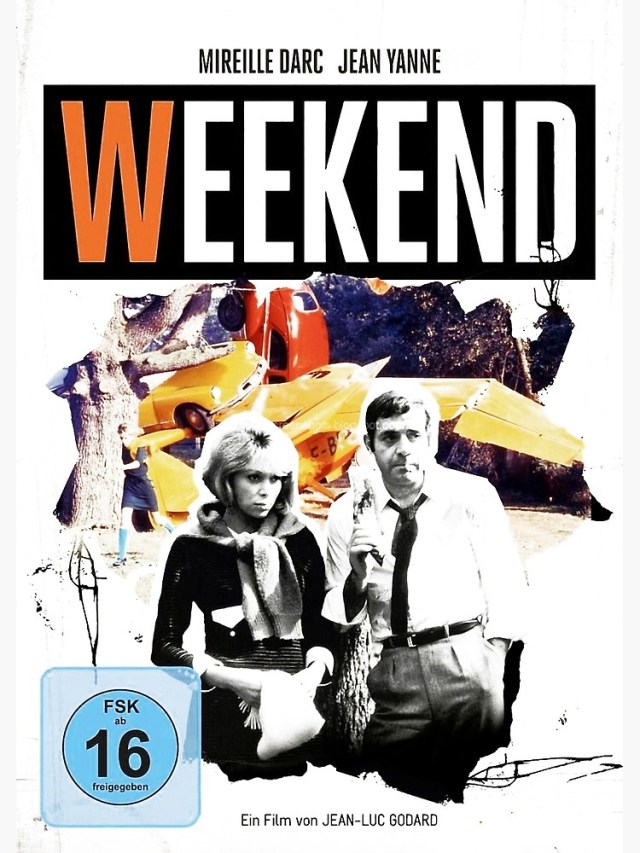
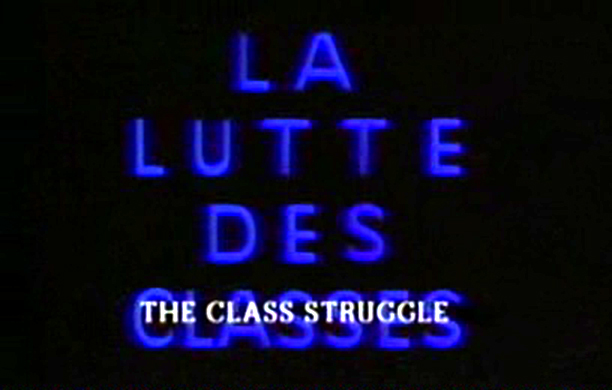
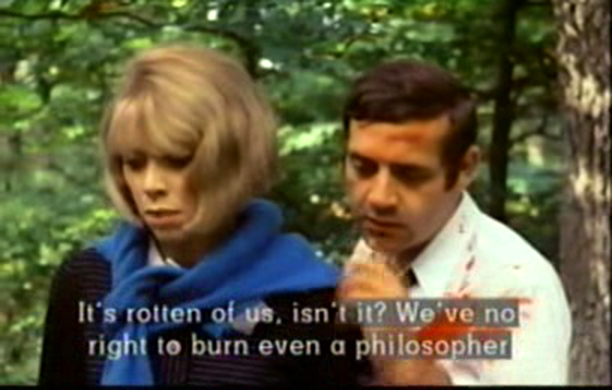
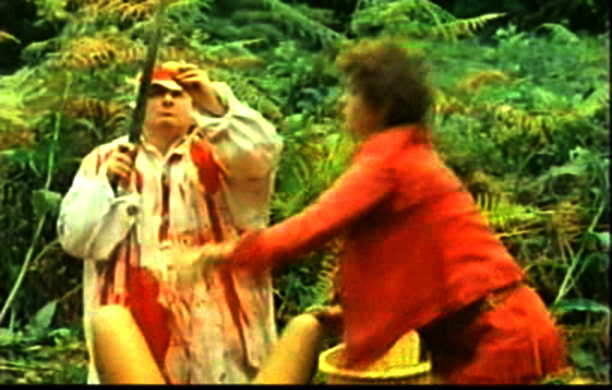
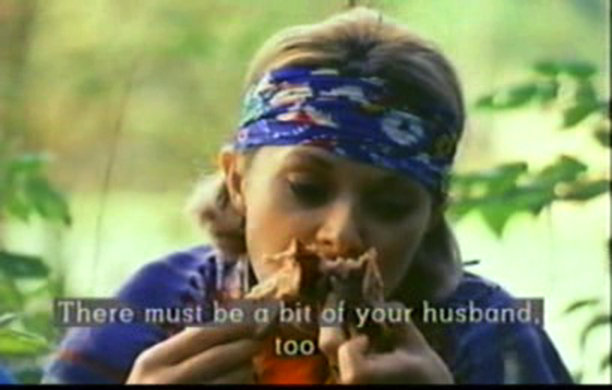
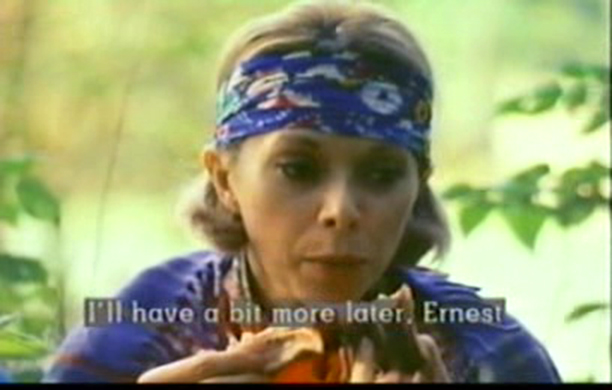
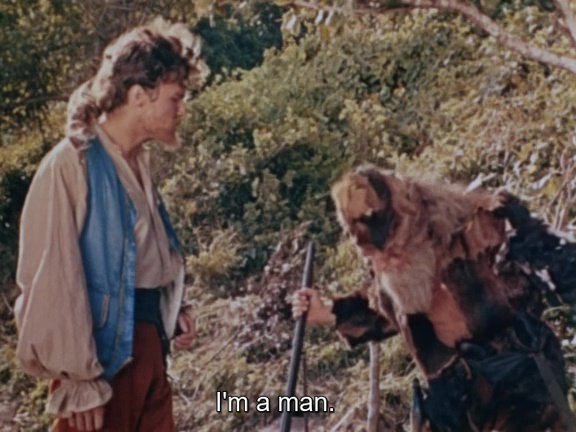
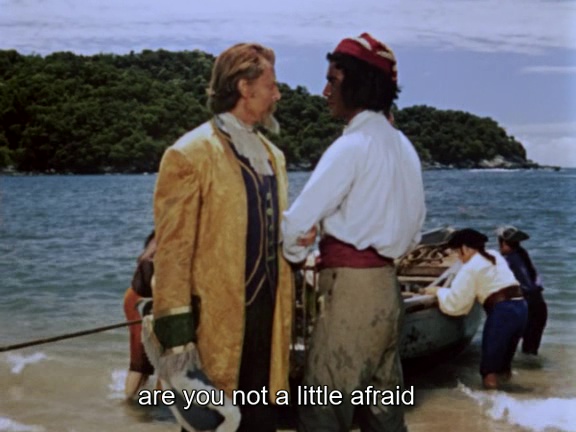
Godard’s Weekendcame out in 1967, and has maintained its rage against bourgeois society for over fifty years. From the perspective of Cannibal Studies, it has everything. Cannibal movies are about appetite and power and what, if anything, can counter those fundamental forces of nature. Weekend is about appetite (rampant consumerism), class struggle, and of course the revolution. All are treated as deadly serious and hilariously funny.
Godard’s previous movie in 1967, La Chinoise, was explicitly Marxist, but Weekend is more anarchist in tone; no one escapes unskewered from Godard’s piercing insight into the absurdity of social interactions. There are no heroes or even sympathetic characters – humanity is depicted as greedy, corrupt and narcissistic.
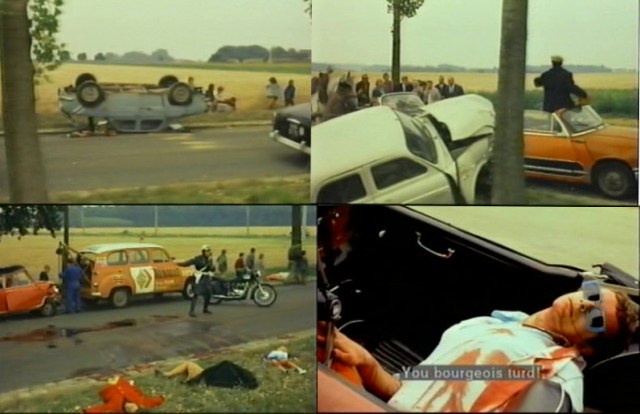
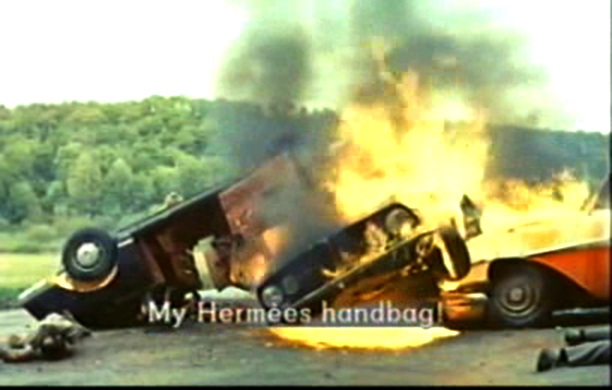
Corinne (Mireille Darc) and Roland (Jean Yanne) are in the car, heading to Corinne’s mother’s home, where they intend to either cheat her or kill her. The road is lined with gridlocked traffic and horrendous car accidents filled with corpses, all of which they ignore.
Both are also planning to cheat on each other, once they get the money. Greed, corruption, influence are their only motivations, and the other motorists are beneath their notice, except when they need clothes, which they shamelessly loot from the wrecks. Anyone who stops them is liable to feel their teeth.
Only when their own car crashes does Corinne express any emotion.
They spend days on the road with only the clothes they wear and an apparently bottomless packet of cigarettes, and come across a range of characters, including the Jacobin leader Louis Antoine de Saint-Just and Emily Bronte, whom they set alight, enraged that she is just an imaginary character.
After killing the mother and getting the fortune, they are kidnapped by group of revolutionaries called the Seine-et-Oise Liberation Front, who enthusiastically rape and eat their captives.
Godard’s vision of the modern guerilla army skirmishing in the outskirts of the cities was a perceptive prophesy of what would a few years later appear as the Red Brigade and the Weathermen. But this group are also cannibals, which allowed me the pleasure of re-watching, for this blog, a movie that still perturbs me some fifty years after I first saw it. The cannibalism of course points backwards to the history of revolutionary betrayal – the Terror of the French Revolution that gobbled up everyone from Danton to Robespierre, the swallowing up of the Bolsheviks by Stalin, and the Chinese Cultural Revolution, in which cannibalism was used as a political weapon. Capitalism is about consumption, but so, too often, are the alternatives.
In Godard’s absurdist world, we’re either being eaten by the cannibals, or joining them.
Next week: Hannibal Lecter putting aside childish things, in Hannibal Rising.
This Mexican film (in Spanish) has it all when it comes to Cannibal Studies. When we discuss cannibalism, we think of sacrificial rituals, or people starving, or maybe just psychogenic appetites – some inner appetite that can only be satiated with human flesh. In most cannibal films, the cannibals are minor personalities, indistinct threats to the protagonist, not the main characters.
Welcome to We Are What We Are. A family of cannibals survive on human flesh, which is harvested by the father in bloody ritual ceremonies. When Dad dies, how are they to carry on? This is a family much like the one in The Texas Chain Saw Massacre: poor, disenfranchised, living on the edge of a consumer society from which they seem excluded.
Shot in Mexico city, the film reflects the struggle for survival in what some call a dog-eat-dog world, which of course is far more accurately a human-eat-human world, since we are often far nicer to dogs than to each other.
Yep, and the boys, Alfredo and his younger, vicious brother Julián, have been evicted from their market stall because Dad didn’t pay the rent. He was a watchmaker by trade, and also a procurer of human flesh. Kept the family fed. No more though. The boys have to take over.
Meanwhile, the coroner calls in the police. He has found something interesting in Dad’s stomach.
The police are not interested though. They don’t bother with cold cases. Or hot ones either, apparently. The coroner tells them
“In the reports, they blame the rats, but what about the two-legged kind?”
The boys head to the bridge, where the homeless children live. Self-service and easy to carry. This is not too far-fetched – there are many reports of death squads picking up kids and turning them over to drug cartels. But these boys have a different purpose, and they are not very good at it – the kids fight them off.
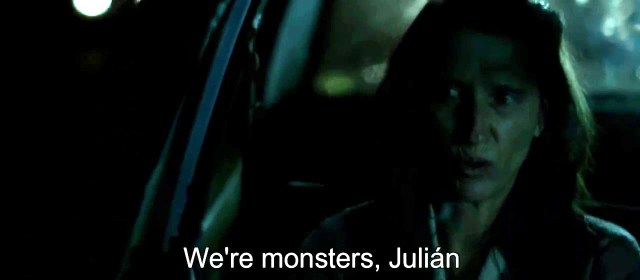
A cannibal fail. Their mother is furious because they put the family at risk. “Next we start trembling, because we’re going to die.”
Luckily, Sabina, the sister, has an idea.
Mexico City is presented as corrupt, steamy and full of predators. No cannibal need go hungry, with the streets full of homeless children and prostitutes. But these aren’t any old hungry or depraved cannibals (although they’re getting there fast) – they have a ritual, and prostitutes apparently just won’t do, so Mum beats her to death with a shovel.
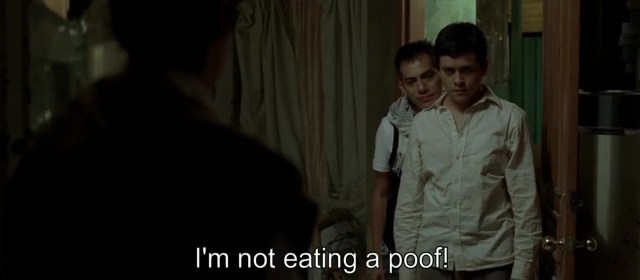
The poor and desperate usually stalk their own. The family has tried the outcast children under the bridge, then the vulnerable prostitutes; now Alfredo follows a group of young gays to an underground club and picks up a young man, who tells him, without irony,
Alfredo is devastated by his first gay kiss. Well, we knew, he is so sensitive, while Julián is the one filled with carnivorous virility, and is quite straight, although incestuously drawn to his sister.
All taboos are out on the table here, just like the prostitute’s corpse.
Mother and Julián take the prostitute’s body back to the street where they found her, and Mum abuses the girls for wanting to fuck her sons.
On the hierarchy of monsters, she seems to consider cannibals rather higher than whores.
Alfredo brings his new boyfriend home, for dinner, as it were. But Julián is not impressed. Nor is Mum, prompting Alfredo to ask why she hates him,
Is he talking gay or cannibal? Maybe the status of outcast is enough. You are considered less than human, and so can be hunted, killed, eaten.
Mum has brought another bloke home, and they kill him after a struggle. But Alfredo’s boyfriend, Gustavo has escaped, and found the police:
Meanwhile, the prostitutes are finding ways to motivate the cops to look into the murder of their colleague.
Everyone is eating everyone in this world. Mum and sister are starting “the ritual” with the corpse, which involves candles, meat hooks and sharp knives. Juicy crunching sounds, as they pull the carcass apart. Look, if this troubles you, don’t ever go into a butcher shop – the actions and sounds are the same. Except for the munching on raw flesh bit maybe.
OK, enough spoilers. It is a horror movie, so the rules say the monster must die, with the opportunity for resurrection (in case of a sequel). And in cannibal movies, there is the Wendigo factor: the bite of the cannibal turns the victim into a cannibal, much like the vampire legends.
Except there really are cannibals in our world, and they are not always eating flesh. There are many ways of eating the outcast.
The critics gave it 72% on Rotten Tomatoes, although the viewers were less generous.
The Los Angeles Times said it was
An unexpectedly rich exploration of family bonds, blood rituals and the oftentimes zombie-like desire to assume the roles proscribed to each of us.
The New York Post was similarly insightful
Grau’s script is intelligent, and it has something to say about family and social dysfunction. You just might want to skip meat for a few days.
Next week: the season finale of HANNIBAL SEASON 2. “Everybody’s settling in for dinner”.
This is the 2012 film of the 2001 Yann Martel novel of the same name, directed by Ang Lee, who also made Crouching Tiger Hidden Dragon, Hulk and Brokeback Mountain. It is the story of a young man named “Pi” Patel, who recounts his life story to a writer. At 16, Pi and his family sail for Canada on board a freighter, carrying the animals from their zoo. They are Hindu vegetarians and have trouble with the French cook, who tells them that the cow and pig he serves up to them were vegetarian (where have we heard that joke before?) The ship encounters a massive storm and sinks. Pi survives the shipwreck and is adrift in the Pacific Ocean on a lifeboat, with a Bengal tiger named Richard Parker.
WTF sort of name is Richard Parker?
Well, the name comes from an English court case about cannibalism (yes, you are in the right blog).
Here’s the thing. It’s not easy to survive in a lifeboat at sea. There’s the sun beating down, the risk of being swamped by big waves, danger from sharks and whales, and most difficult of all – no food or water. Drinking water that is. As Coleridge said:
“Water, water, everywhere, And all the boards did shrink; Water, water, everywhere, Nor any drop to drink.”
The “custom of the sea”, as British sailors used to call it, was that while it was not exactly encouraged, it was acceptable to eat whatever you could find in that situation, including your shipmates, preferably after they had died. But – not always.
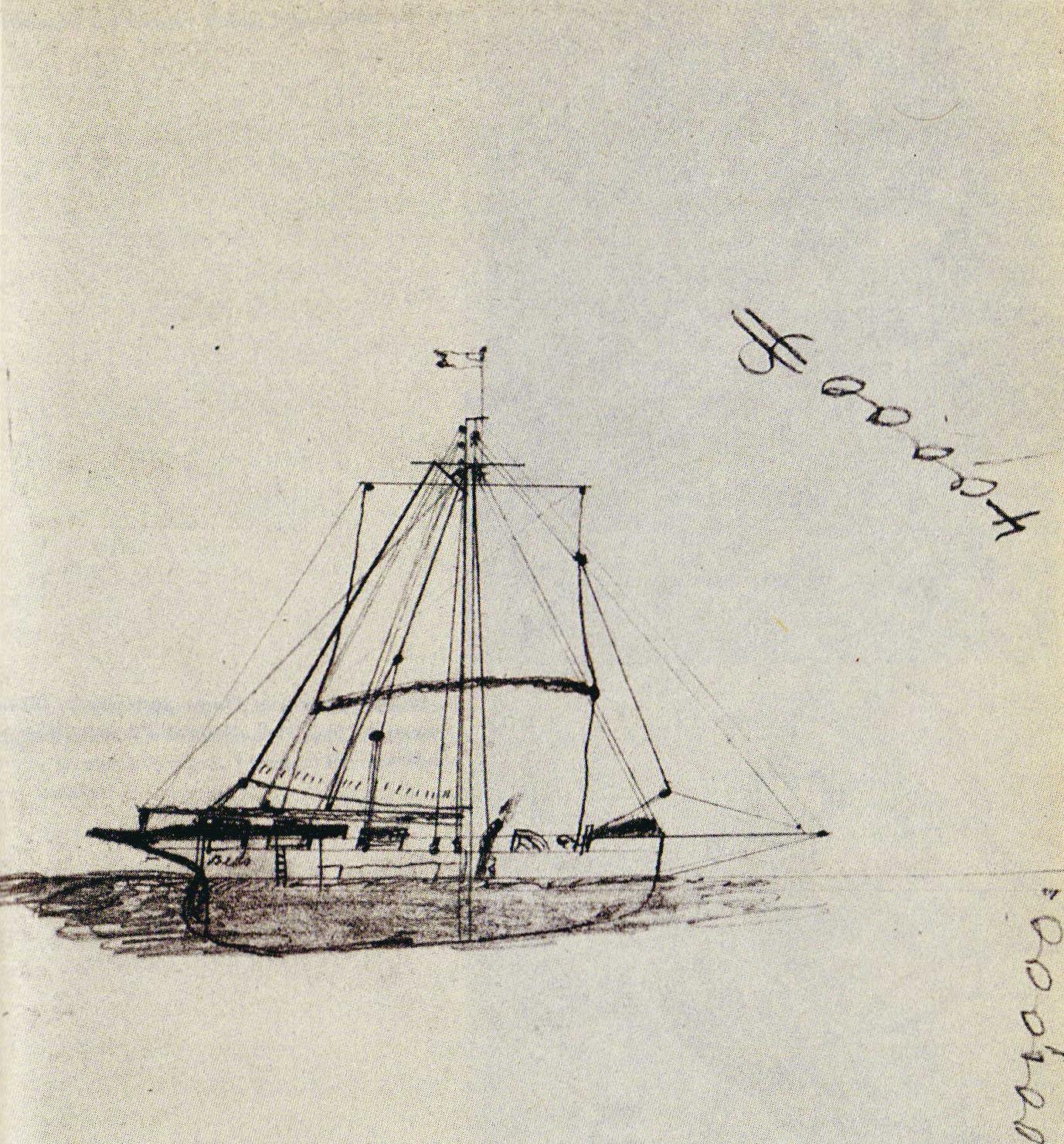
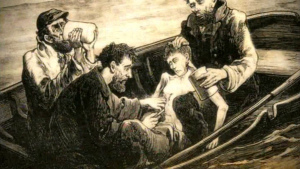
In 1884, a small ship called the Mignonette was being sailed to Australia when it hit a big storm and sank. The four crew members survived in a lifeboat, not unlike the one in Life of Pi, for a couple of weeks on two tins of turnips and a turtle they managed to catch. When the 17 year old cabin boy fell into a coma, probably from drinking too much salt water, they slit his throat, drank his blood and ate him. His name was Richard Parker.
Simpson, A. W. B. (1984), Cannibalism and the Common Law: The Story of the Tragic Last Voyage of the Mignonette and the Strange Legal Proceedings to Which It Gave Rise, Chicago: University of Chicago Press. Public Domain, https://commons.wikimedia.org/w/index.php?curid=29911792
The captain and first mate were tried after their rescue and sentenced to be hanged, but their sentences were later commuted to life imprisonment, and the men ended up serving only six months. The case itself, Regina v. Dudley and Stephens, became an important precedent for the “defence of necessity”.
It was judged that, while cannibalism might be necessary under the custom of the sea, killing the boy to eat him was still murder, even if it saved the lives of three other men. Monty Python wrote a sketch based on the case:
The tiger, Richard Parker, is clearly named after this cabin boy. By some amazing coincidence, Edgar Allan Poe wrote a novel (his only one) almost fifty years earlier in 1838 called The Narrative of Arthur Gordon Pym of Nantucket, in which a character named Richard Parker becomes a victim of cannibalism by the ship’s remaining survivors after a shipwreck.
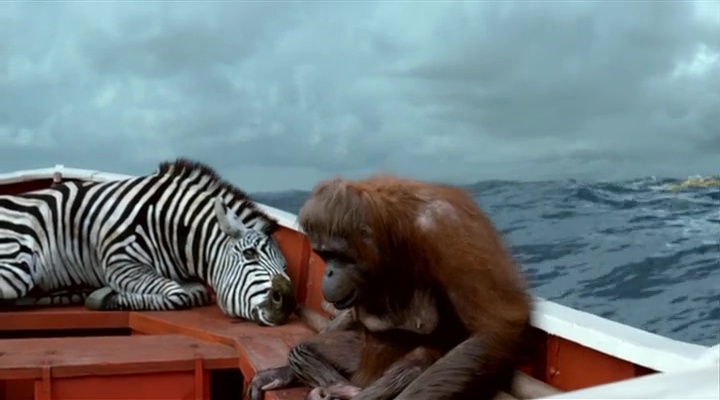
In the film (I knew we’d get there eventually), Pi escapes onto the lifeboat with a zebra, who breaks his leg in the fall, and an orang-utan. When the tiger, Richard Parker, jumps on the lifeboat, Pi leaps off, and witnesses the ship, with his family, sinking.
A spotted hyena emerges from under a tarpaulin covering half of the lifeboat and threatens Pi, forcing him to retreat to the end of the boat. The hyena kills the zebra and later the orang-utan. Richard Parker (the tiger) emerges from under the tarpaulin and kills the hyena. It’s the circle of life.
Pi takes refuge on a raft and comes to an uneasy truce with the tiger, feeding him fish that he manages to catch, overcoming his vegetarian ethics to save a fellow mammal. He answers the question so wearisomely put to most vegans: would you eat meat if you were starving?
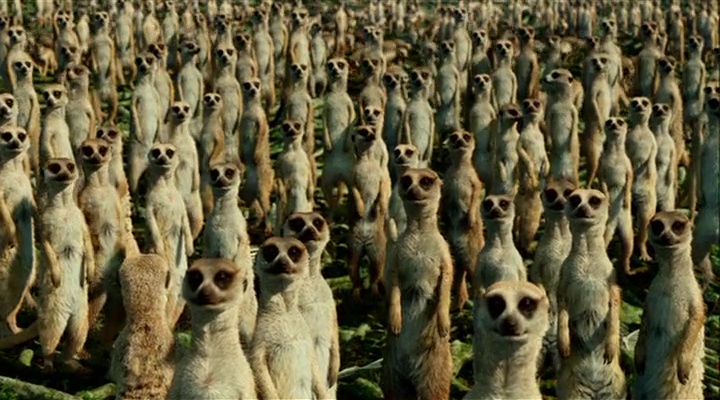
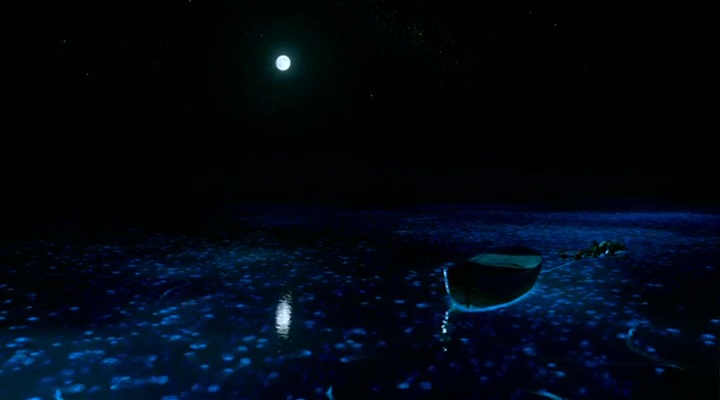
After sailing for some weeks, Pi and the tiger come across a floating island, filled with meerkats, who are very cute and assuage Richard Parker’s hunger. But the island turns out to be carnivorous, with the water turning to acid at night and consuming any animal on the ground. Some critics have interpreted this as mother earth turning against us as we fill the air with greenhouse emissions. At what point will we turn to cannibalism? As Pi finds out:
“Hunger can change everything you ever thought you knew about yourself”.
Reaching the coast of Mexico, Pi is disappointed to see Richard Parker disappear into the jungle without any farewell. Pi is rescued and brought to a hospital, where he tells the story to an insurance agent. The agent does not believe his story, and asks what really happened. Pi then tells an alternative story, in which his mother is the orang-utan, a sailor is the zebra, and the ship’s brutish French cook (played by Gerard Depardieu) the hyena. In this version, the cook kills the sailor and eats his flesh. He also kills Pi’s mother, but then Pi kills him with a knife, and uses his corpse as the cook used the sailor: as food and fish bait. The question of whether vegetarians would be carnivores in extremis is answered: yes they would, and they could be cannibals too.
The writer recognises the parallels between the two stories, noting that in the second version Pi is actually Richard Parker, unleashing the carnivore/cannibal within each of us. Pi says that it doesn’t matter which story is true, because his family still died either way. He then asks which story the author prefers, and the author chooses the first, to which Pi replies,
The Los Angeles Times called the film “a masterpiece”. It has grossed over $600 million at the box office, and has a “fresh” score of 87% on the Rotten Tomatoes site. The visuals, particularly the computer graphics, are astounding.
Pi describes Richard Parker as
“my savage partner who kept me alive”
And the moral of the story, as they used to say in children’s books, is that, depending on the circumstances, we can be the tiger, or we can be the cabin boy. There is a tiger and a cannibal hiding inside each of us, just under the thin tarpaulin of civilisation.
Alexander Pearce was, as far as we know, Australia’s first cannibal. Although the Indigenous people of Australia were regularly accused of cannibalism, the evidence is suspiciously absent, and clearly such accusations were extremely useful in the British colonial campaigns of subjugation and genocide.
But Alexander Pearce was the real thing.
The film is mostly set in Hobart Jail, where Pearce (Irish actor Ciarán McMenamin) is waiting to be hanged, and has requested a priest to hear his confession. Somewhat unwillingly, an Irish priest named Father Philip Connolly (Adrian Dunbar) listens to Pearce’s story.
In 1824, the British penal colony of Van Diemen’s Land was a living hell, where vicious floggings were regular punishments.
Pearce had been transported to Australia for stealing a pair of shoes, and continuing law-breaking saw him eventually transferred to Sarah Island, which was surrounded by sea on one side and wilderness on the other.
Eight convicts made their escape, and headed off into the bush with enough food for four days. After eight days, weak with hunger, they start discussing cases where sailors lost at sea have engaged in cannibalism to survive, and realise they will have to do the same. They nominate Dalton the one member of their gang they all hate, a man who volunteered to be the “flogger” and who has whipped all of them. He probably should have kept his day job at Sarah Island.
Three of the others turned back, but “took their share of Dalton”. Every time they run out of food, another man is killed. They see new potential meat – kangaroos and emus – and vow brotherly love – never to kill another of their own, but then discover how fast kangaroos and emus can run. Soon there are four, then just three, and Pearce realises that he is next, because the other two are friends. Luckily for Pearce, one of them gets bitten by a snake, develops gangrene and well… once more they have brotherly love. The priest is dismissive of such protestations of virtue, and Pearce answers:
“A Full Belly is prerequisite to all manner of good! Without that, no man will ever know what hunger will make you do.”
Soon there are only two, and neither dares sleep. Pearce wins the game, and the last meal, but is interrupted by a local.
After three months, Pearce made it, alone, to Jericho, in the centre of Tasmania, over 150km away from Sarah Island. The magistrate sent him back to Sarah Island, because he did not believe the story of cannibalism. He thought it was a cover for his friends, to disguise the fact that they were still at large, bushranging.
“He’s a thief. He’s a forger. A recalcitrant Irish… but I didn’t credit him with being a savage”.
It was also impossible to hang him for murder, since there were no bodies – a legal benefit of cannibalism.
At Sarah Island, Pearce was viciously flogged and chained to a rock.
He escaped again, perhaps at the urging of another young convict, whom he killed eight days later, while they still had provisions. He was apparently enraged when he discovered the boy couldn’t swim, a real disadvantage when escaping from an island. Pearce signalled the first passing ship, confessed his actions and showed the authorities the body. So this time, they could hang him.
“The man’s a monster. He cut that young man in half, and devoured him for meat, and this while he himself still had bread and cheese lining his pockets”.
At the governor’s table, all merrily chewing on some other unfortunate animal, they discuss Pearce’s fate: to be hanged, and his body dissected.
“Quite an irony, I imagine, a cannibal being dissected… see what breeds such savagery”.
Asked by the governor’s wife why he is giving comfort to Pearce, the priest replies “I do it for fear… Fear of what we all might become, here at the end of the world.”
Pearce was hanged at the Hobart Jail at 9am on the 19th July 1824.
“whoever sheds the blood of man, by man shall that man’s blood be shed, for in his own image, God made human kind.”
“The world is always easier understood held at a distance with tales of monsters and the like. This is how Alexander is remembered. Not as a man. Yet few truer words have ever been spoken: A full belly is prerequisite to all manner of good. Without that, no man will ever know what hunger will make him do.”
The film was nominated for the 2010 Rose d’Or, Best Drama at the 6th Annual Irish Film and Television Awards, Best Drama at the 2009 Australian Film Institute Awards, won Best Documentary at the 2009 Inside Film Awards and the director Michael James Rowland was nominated in the Best Director (Telemovie) category in the 2009 Australian Directors Guild Awards.
Pearce is supposed to have said just before his execution:
“Man’s Flesh is Delicious. It Tastes Far Better Than Fish or Pork.”
This line does not appear in the film, and is probably apocryphal.
When you hear terms like “video nasties” or “grindhouse”, Cannibal Holocaust tends to be high on the list of titles mentioned. The film’s violence was extreme in 1980, although it has certainly been exceeded since then, with the “benefit” of CGI special effects. The scenes of death and cannibalism were enough to get the director, Ruggero Deodata, arrested for suspected murder, as he had arranged for the actors to go underground to give the impression that, just maybe, he had gone for the ultimate in cinéma vérité: a snuff movie. Where the film remains at the cutting edge (sorry) of extreme cinema even today was in its presentation of authentic animal cruelty, in the midst of fictional human deaths. For this it was widely condemned, even by those who otherwise enjoyed the film, and it was banned in several countries, including Italy and Australia. The best part of the film is probably Riz Ortolani’s stunning soundtrack. But in the end, I must grudgingly say that Cannibal Holocaust is a film more relevant than ever – because it is a direct indictment of “fake news”.
At a time when news stories were increasingly becoming sensationalist beat-ups, and the American failure in the Vietnam war was still being blamed on the ubiquitous media coverage of the gruesome results of that conflict, Deodato is asking the question: “what can we believe”? Or, as the protagonist of the film, anthropologist Harold Monroe (Robert Kerman) asks in the last few frames
“I wonder who the real cannibals are?”
This is the question that every cannibal film or TV show asks, in its own way. Hannibal Lecter denies he is a cannibal in season 3 of Hannibal (I’ll get to it in a couple of months) when he tells a victim, whose leg they are both eating:
“This isn’t cannibalism, Abel. It’s only cannibalism if we’re equals”.
Cannibalism is about power and appetite. Those we accuse of cannibalism, in this case the indigenous peoples of the Amazon, were in all probability never cannibals. The imperialists who came in search of gold, like Columbus, or oil or timber or news footage were the real consumers – of humans who had been transformed into commodities and resources. Cannibal Holocaust asks us to think about what, in the panorama of abuse, death and torture that surrounds us, is real?
This wasn’t the first Italian cannibal film: that was Man From Deep River. It wasn’t even Deodato’s first cannibal film, which was Last Cannibal World (Ultimo Mondo Cannibale). He had gratuitous animal cruelty in that one too. But Cannibal Holocaust asked new questions about the media in which it was made, about the motivations of the documentary, and about what Deodato himself was doing.
The film is told from the viewpoint of an anthropologist, Monroe, who is asked to go to the Amazon, to the area frequented by cannibal tribes and known as the “Green Inferno” (a name that spawned a tribute movie 33 years later). His mission is to find out what happened to four young American film-makers who disappeared there without a trace. Well, guess who came to dinner?
The first half of the film is Monroe negotiating with the locals, watching a rape and murder, helping eat an adulterer, shooting several natives, and finding and recovering the cans of film that have survived the whole sordid adventure. And yes, making friends, but not enjoying dinner with the cannibals.
The second half of the film purports to show that recovered film, which a television network wants to show uncut to the public to sensationalise their deaths. This part is often referred to as the forerunner of the “found footage” movies that became enormously popular later with Blair Witch Project. In fact, Punishment Park (Watkins, 1971) was probably the first found footage film, claiming that its story of anti-war protesters being dumped (and filmed) in the California desert is actual newsreel. But in that period, what was genuine newsreel footage was on television every night, and showed dead American soldiers, burning Vietnamese civilians, and Kent State University students being gunned down by the National Guard. The difference between real and fake news was becoming opaque, years before the time of Trump (in fact, when he was still busy avoiding the draft). Deodato said he believed a lot of the news reports of Red Brigade terrorism in Italy had been staged for the cameras. In any case, even in unvarnished reporting, the framing of the camera and choice of which shots to use make the concept of real, impartial news unattainable.
Who were the cannibals? The ones depicted as real savage cannibals in Cannibal Holocaust were described by Francesca Ciardi, who played Faye, one of the lost American filmmakers, as:
…perhaps the sweetest people I have ever met. The cannibals were just local people. They put wigs on them but in real life they were very clean people: they worked in offices and they wore well-pressed shirts”.
The most controversial legacy of this film is the appalling animal cruelty. Deodato juxtaposes brutal violence on humans (rape, murder, cannibalism) through special effects, while filming live and in gory detail the killing of a coatimundi, a giant turtle, a monkey (whose brains are eaten while still alive), a tarantula, a snake and a pig. When their guide gets bitten by that snake, we get “live action” of them chopping up the snake, then chopping off the man’s leg. The team make sure the camera is rolling before wielding the machete.
What is he trying to achieve through this collision of fake human and actual animal deaths? Is it simply to try to extend the illusion that, just perhaps, these shaky images were indeed real footage, and the actors were dead? Well that didn’t last past his murder trial, where he had to produce them in the court in order to be exonerated.
Critic and media academic Calum Waddell points out that this movie shows vile and debased behaviour on both sides – the ‘savage’ natives and the ‘civilised’ Westerners. But the Americans are punished for it – they are eventually killed and eaten for their troubles. The natives? A few get shot or burned, but there is no judgement. Waddell calls this a “fascist perspective”, because white people shouldn’t act like this, and so get punished, but the “savages” – well, that’s just the way they are. We can’t expect better of them, and in fact the Americans, when they first land, young, strong and white, are the picture of gung-ho adventurers, seemingly invincible. Then they regress into savagery, as they trek deeper into the green inferno.
They (the savages) are cannibals by nature, and we (the civilised) risk becoming like them. The civilised whites lose their humanity as they enter the inhuman world of the cannibals, just as American troops in Vietnam lost theirs as they became enmeshed in that jungle war and started to massacre villagers. The film crew set fire to the native village so they can film an imaginary war between tribes. They capture a young girl and rape her just for fun, then film her body, impaled on a stake for losing her virginity.
Cannibal Holocaust documents the loss of belief in the inevitable progress of humanity, usually told through the invincibility of white privilege.
The Americans film everything, even their own death at the hands of the infuriated natives. The interlopers act as imperialists always have, but now they get eaten for it.
To complicate the question of truth or simulation, we are shown a series of clips that the Americans are said to have recorded earlier in their careers, which we are told were staged for the cameras. These were clips of actual executions and abuses that Deodata presents here as fake news, created to be sensationalist newsreels.
So now we have Deodato playing with our heads: real human executions are presented as fake, while fake rape and killing is presented as real. Real animal abuse, insisted upon by the director, is accompanied by gallons of human gore and agony which we know is fake. Monroe is told: “Today people want sensationalism.”
The subtitles did not use spell-checking
Yet the roller-coaster of fact and fake does not really work. Did Deodato really expect people to file out of the cinema (when it was finally shown after years of censorship) scratching their heads and saying “those guys really did get eaten! Damn shame.” The scenes of actual vicious killings of animals seem meant to drive home the point that, just maybe, the deaths of the young Americans are real too. But, as Waddell points out, the coatimundi is killed in the first half, which is unequivocally a fictional presentation (or at best re-enactment) of the expedition to find the lost tapes. So that creature’s death is totally gratuitous.
Or is it? Deodato seems to be saying: don’t swallow anything you see on screen.
Here’s the thing. Real atrocities go on, but usually in the dark, or behind walls, at least not near any cameras. The Americans catch and chop us a giant turtle who continues to move as his head is removed and he is disembowelled.
We can be squeamish at the death of that beautiful turtle – Faye is filmed throwing up as they chop the animal’s head off, but then we see her biting into the cooked meat soon afterwards.
The turtle died totally unnecessarily for the sake of a cheap movie shot. We can also be sickened by the scenes of rapes and murders of humans, which are fake, but look pretty real. But every moment, as we reach for the remote and gratefully turn off the movie, real atrocities are continuing everywhere, in wars and domestic abuse and abattoirs and laboratories. Real animals quiver in their death throes, millions of them every second, while we turn our faces away from the dying turtle. We are not filming those abuses, but very often we are paying for them, through our taxes or our shopping. Like Faye, the cruelty repels and nauseates us, but the appetite makes us forget. This film, perhaps, helps us to remember.
If you like my blog, please feel free to recommend it (with discretion) to friends on social media.
If you have any questions or comments, you can use the tag, or email me on cannibalstudies@gmail.com.
Verschlimmbesserung: a word I found in the Urban Dictionary. It means an attempted improvement, which just makes things worse.
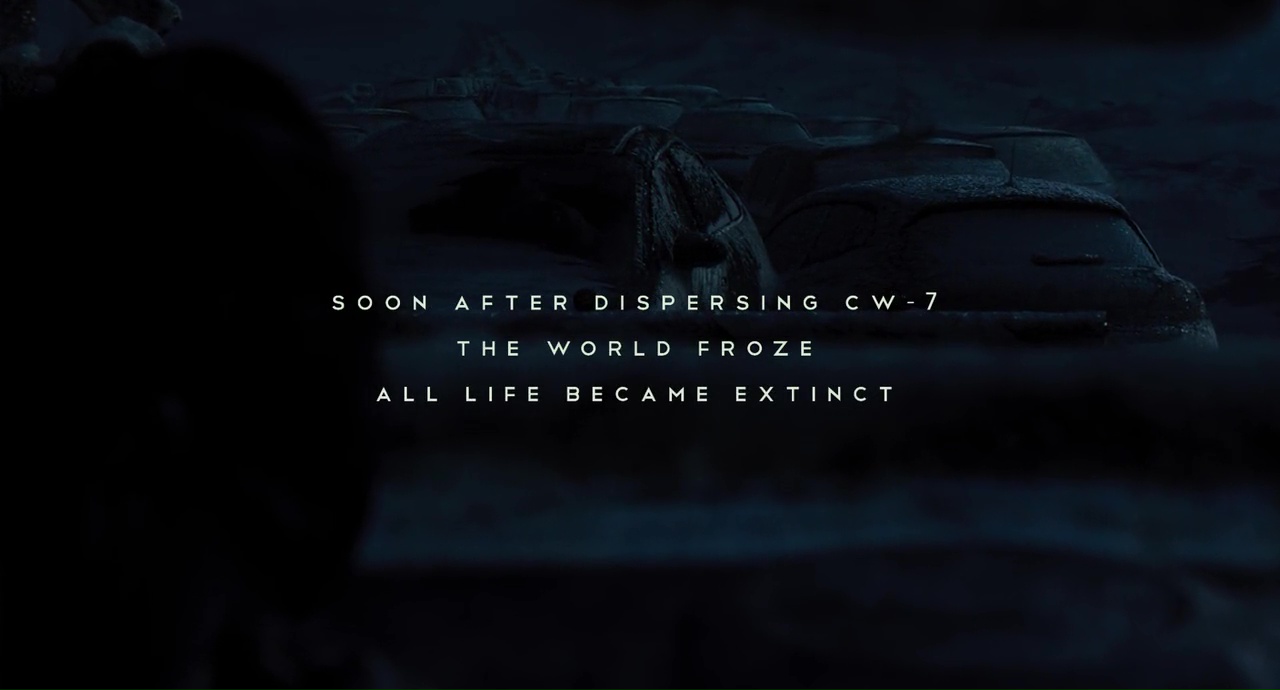
How can we make the frightening prospects of global catastrophe due to climate change even worse? Well, apparently the best way is to come up with a half-arsed way of fixing it. In Snowpiercer, a corporation has come up with a substance, CW-7, which is sprayed into the atmosphere to deflect the sun’s rays and cool the planet. It succeeds brilliantly:
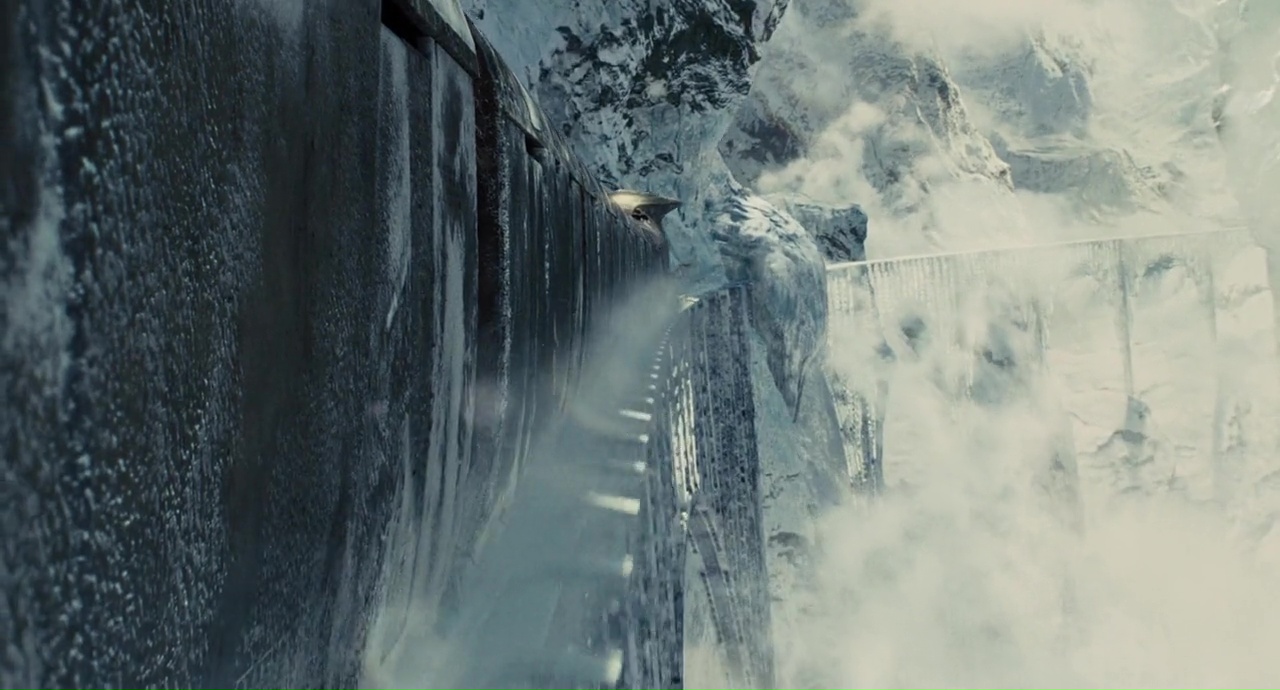
The only humans left alive are on a train, the SNOWPIERCER, which dashes through the snow, circumnavigating the earth once a year. The grateful survivors form a happy band of brothers who work together to survive.
Just kidding!
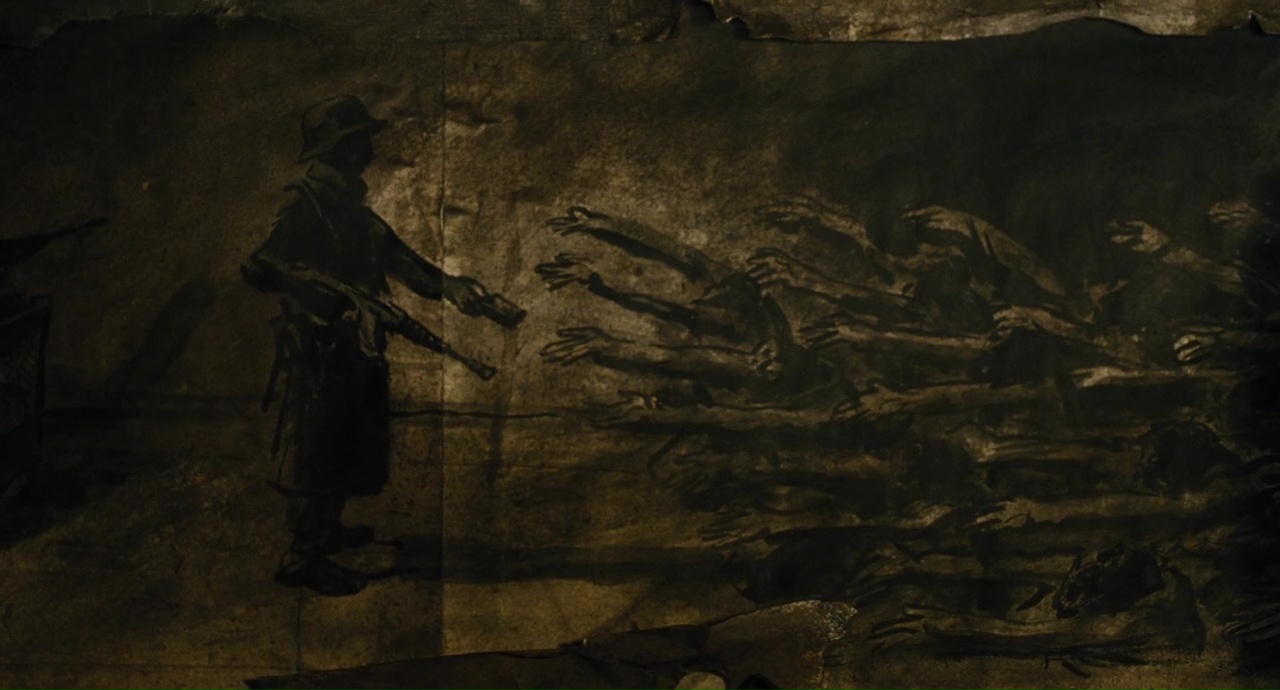
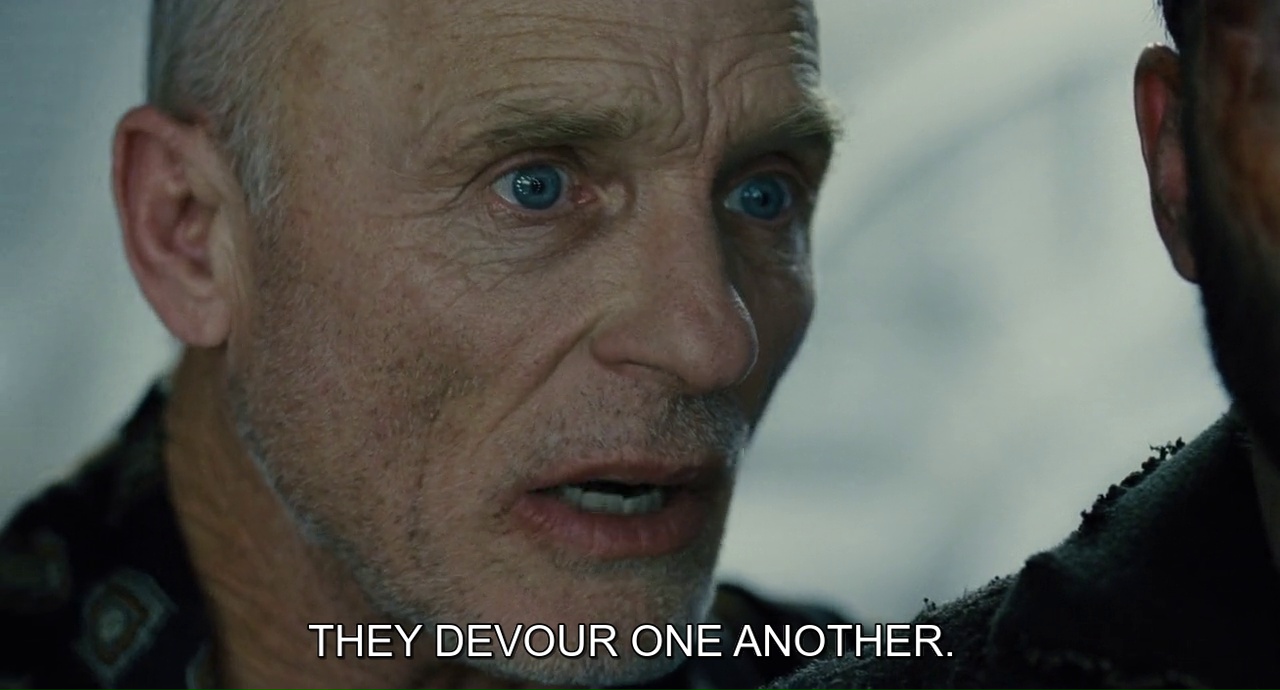
There is, as in all human society, a strict hierarchy of power and privilege. It’s the year 2031. The rich, including the train’s inventor Wilford (Ed Harris) live in luxury at the front of the train, the “scum” live at the back in squalor, beaten and tormented by armed soldiers and fed a mysterious protein bar made of what?
There is revolution brewing though, led by Curtis (Chris Evans, in a far meatier role than Captain America ever offered him).
There’s a lot to like in this movie – the plot is interesting, the action plentiful, the cast are stellar (including also John Hurt, Octavia Spencer, Song Kang Ho, and Tilda Swinton, as well as Paul Lazar, who played a nerdy scientist in Silence of the Lambs) and the photography, particularly of the frozen world and the train, is superb.
Bong Joon-ho is one of the most exciting filmmakers working today. Metacritic has ranked him one of the 25 best film directors of the 21st century, and he recently became the first Korean director to win the top prize at Cannes – the Palme d’Or, for his 2019 film Parasite, which also explores class and social divisions. Parasite went on to win four Oscars at the 92nd Academy Awards for Best Picture, Best Director, Best Original Screenplay and Best International Feature Film.
The film between Snowpiercer and Parasite was Okja, an animated piece that was also nominated for a Palme d’Or but was voted down, perhaps because it was released on Netflix. Okja crossed the anthropocentric line of privilege, featuring cruelty to a giant pig specially bred for human consumption (like so many animals today) and the horrors she faces in the slaughterhouse.
Snowpiercer also explores some fascinating ethical issues to do with leadership, biopolitics, class privilege, revolution, violence, the Holocaust, our reliance on technology and yes, finally, cannibalism.
Wilford explains to Curtis: “You’ve seen what people do without leadership.”
Look, this is a pretty recent movie and got a woeful cinematic release, so you may still be planning to see it. Therefore, I won’t disclose the ending. But you need to know the cannibalism angle, because you are, after all, reading this blog on cannibal films and TV shows.
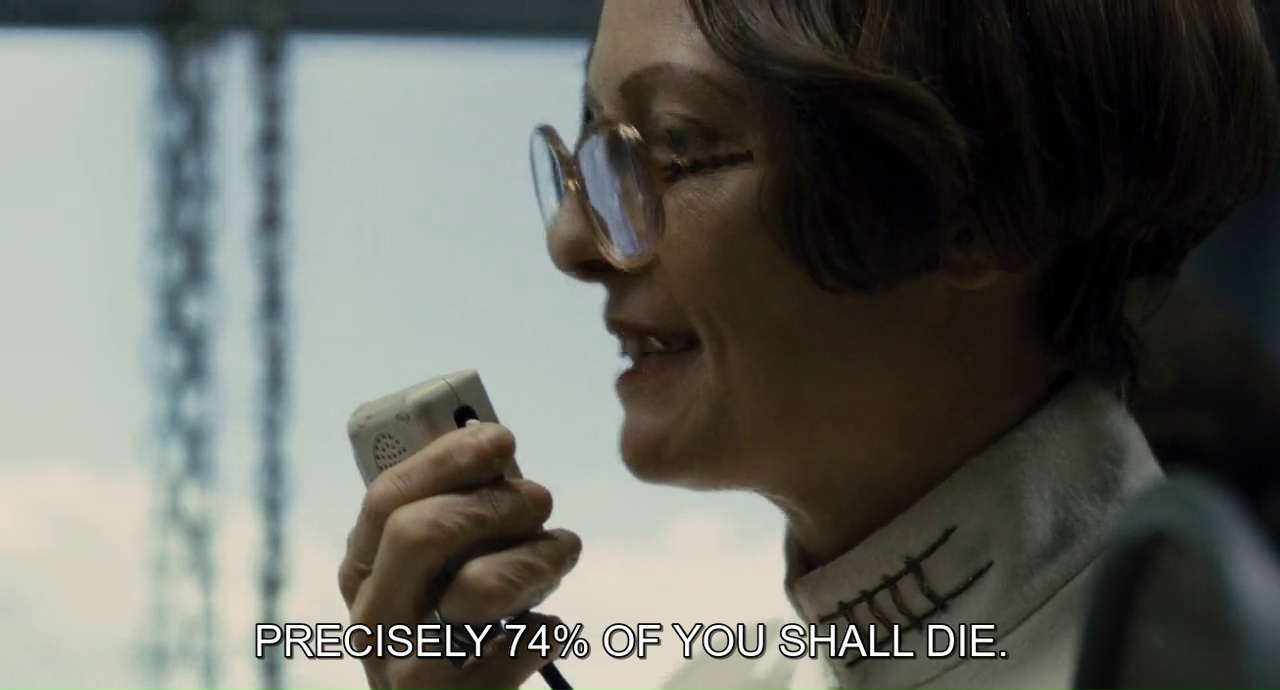
There are hints in the first half of the film, discussions about the number of arms people have, and then more food references as they march their prisoner Mason (Tilda Swinton), who previously lectured them on their place at the bottom of society, through the front cars. First they go through a greenhouse, then an aquarium, and we hear Bach’s Goldberg Variations, a tribute (one hopes) to Silence of the Lambs. At the front of the aquarium, ecological balance is maintained by eating the fish twice a year as sushi. They sit down for this elite meal, but make their captive eat the protein bars that are the only food given to the “scum”.
Curtis and his dwindling band of fighters go through a butchery, then a school, where the children are taught that tail-enders
And that we, the pre-trainers,
There are dentists, tailors, hairdressers, a fancy dining-car, an aquatic centre, a disco, a drug lounge – all the things that make up decadent, modern society.
We are socially and culturally determined in large part by what we eat. The food is always better in first or business class. The higher classes eat beautifully prepared, gourmet tidbits. The lower classes, the starving and the deranged eat what they are given, or what they can hunt.
Just before the showdown, Curtis reveals what it was like when they first boarded the train: “A thousand people in an iron box. No food, no water.”
“There was a woman. She was hiding with her baby. And some men with knives came. They killed her and they took her baby.”
Then an old man took the knife and cut off his own arm, offering them that as food, to save the baby. Then others started doing the same. Sacrificing to the cannibals to save the next generation. Then the rich started sending through protein bars. And we thought they were going to be the cannibals!
Things Curtis hates about himself:
Well, there’s a lot more to the story, and a lot more to like, but you can find out by watching the movie. It’s worth it.
Here’s the trailer:
IF YOU LIKE MY BLOG, PLEASE FEEL FREE TO RECOMMEND IT (WITH DISCRETION) TO FRIENDS ON SOCIAL MEDIA.
IF YOU HAVE ANY QUESTIONS OR COMMENTS, YOU CAN USE THE TAG, OR EMAIL ME ON CANNIBALSTUDIES@GMAIL.COM.
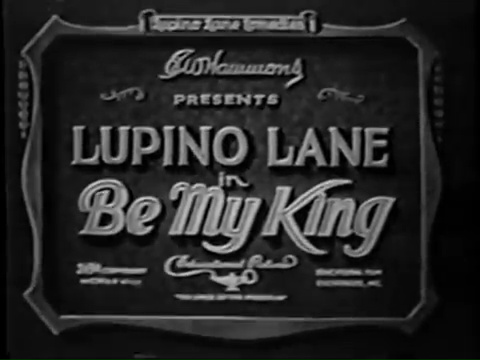
A short movie from Lupino Lane, who was the most famous of the English Lupino family, until eclipsed by his cousin Ida Lupino, one of the only female filmmakers working during the 1950s in the Hollywood studio system, and the first woman to direct a film noir with The Hitch-Hiker in 1953.
Lupino Lane stars in this short silent movie with his brother Wallace Lupino, who plays an older authority figure, despite being some years younger than Lane. The Lupino brothers later shot to fame with a show called Me and My Girl in the 1930s, which inflicted the song “The Lambeth Walk” onto an unsuspecting public.
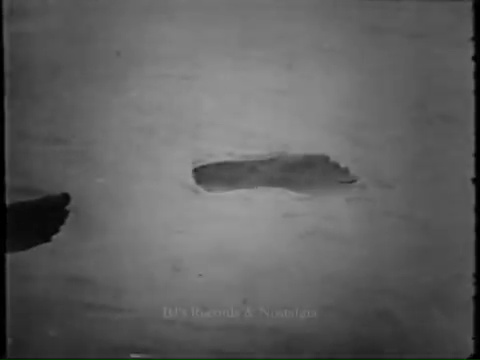
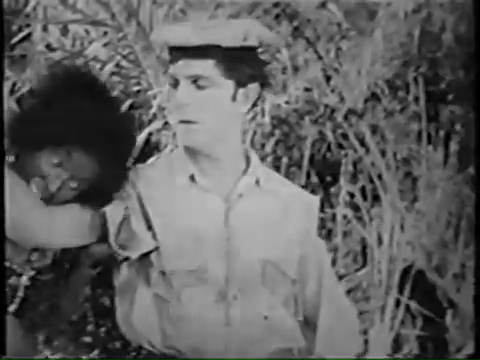
Lane is a cabin boy, shipwrecked with Wallace on an island, where they come across the obligatory foot print (think Robinson Crusoe).
Lane sets off to find signs of civilisation. Various animals cross his path – a chimp, a lion, a leopard, even an elephant, none of which he notices, until he is frightened by a rabbit. Wallace is captured by cannibals (male) while Lane is accosted by the females, who takes a bite at him.
He is captured by the male cannibals and taken to the – yes – cooking pot that was so much part of the myth of primitive cannibalism.
In fact, the trope of the sad-eyed missionary or sailor in a cooking pot surrounded by fierce savages with bones in their noses is perhaps the first image most people conjure up when (if) they think about cannibalism. There is, of course, no evidence that this ever happened anywhere, but there is some speculation that the story was spread by missionaries, as it did wonders for their fund-raising efforts.
Lane is rescued by the love of the chief’s daughter (think Man from Deep River) – and dressed for the wedding, while Wallace is fattened up for the feast. In fact, there are many precursors to the later cannibal movies in this absurd little piece.
This is a very early celluloid version of the white man in the cooking pot, which is why I have included it here. The movie is mostly very silly, but funny in parts, in that early Chaplin-esque slapstick way.
But there is a sinister aspect – this dismissal of ‘savage’ races as unquestionably cannibals was useful not just for mission fund-raising but also as a pretext for the invasion, conversion, subjugation and often extermination of the indigenous peoples of the lands that Europeans wanted to exploit. The uncritical acceptance by Western audiences of this image of the native as cannibal construed colonised peoples as racially degenerate, and made the appalling atrocities of colonialism somehow less bothersome, particularly to its beneficiaries.
This Youtube link below is actually not a trailer, but the complete movie.
IF YOU LIKE MY BLOG, PLEASE FEEL FREE TO RECOMMEND IT (WITH DISCRETION) TO FRIENDS ON SOCIAL MEDIA.
IF YOU HAVE ANY QUESTIONS OR COMMENTS, YOU CAN USE THE TAG, OR EMAIL ME ON CANNIBALSTUDIES@GMAIL.COM.
Michel Montaigne wrote, back in the sixteenth century, that savagery is not all on the side of the cannibal:
There is more barbarisme [sic] in eating men alive, than to feed upon them being dead; to mangle by tortures torment a body full of lively sense… than to roast him after he is dead”.
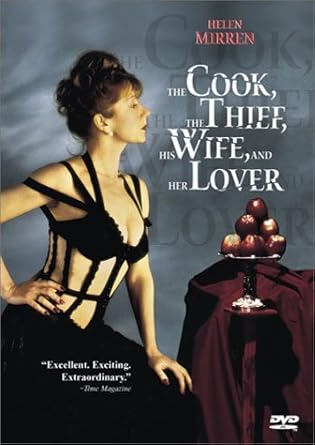
Peter Greenaway’s The cook, the thief, his wife and her lover (1989) is the perfect representation of the savage cannibal within our own civilisation, even though the actual act of cannibalism does not occur until the closing minutes of the film. The film however is replete with images of physical and metaphoric incorporation and abjection: eating, corpses, excrement, violence and humiliation. This is such a perfect representation of abjection that the Reelviews reviewer was “at a loss” to find anything disgusting that had been left out.
The film is almost entirely set inside the upmarket restaurant Le Hollandais which has been bought by gangster Albert Spica (Michael Gambon) who torments and humiliates the patrons, staff, his men and his wife Georgina (Helen Mirren). Crystal Bartolovich describes this process as “making everyone around him miserable in ways that depend upon the alimentary canal”. Another reviewer observed that the restaurant metaphorically presents a reversed alimentary canal: the back door with its dog-shit is the anus, the stomach is the kitchen where the food is processed and finally the dining room is the mouth, the site of cultured discrimination, but also of abuse.
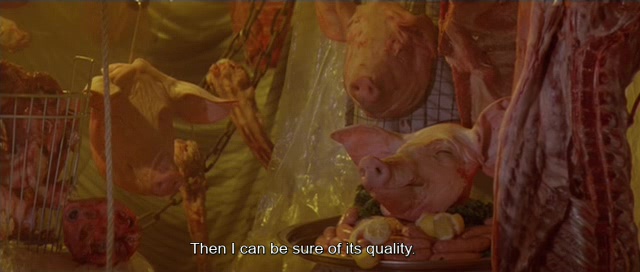
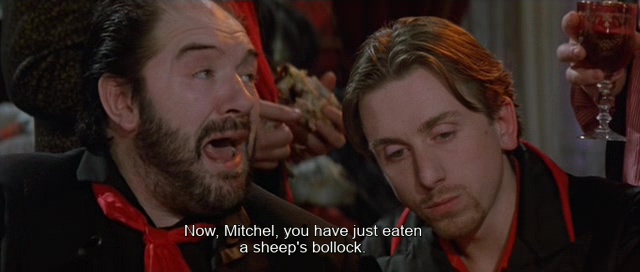
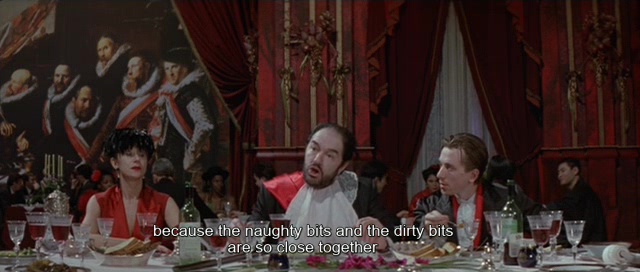
While Spica eats and belches and spouts abuse and absurd bon mots, Georgina escapes, in brief interludes, to have a sexual and then a loving relationship with the very refined bookshop owner Michael (Alan Howard), with the connivance of the cook, Richard Borst (Richard Bohringer). The world of the restaurant is surreal, with each room coloured differently and the costumes of the protagonists changing to match as they move between them. Tables in the kitchen and the dining room are groaning under the bodies of dead birds and mammals. Spica shows little distinction between his three pet subjects: food, excrement and sex. The pleasures of sex and eating and the abjection of excretion are important messages from Greenaway’s film: Spica sums up “the naughty bits and the dirty bits are so close together, that it just goes to show how eating and sex are related”.
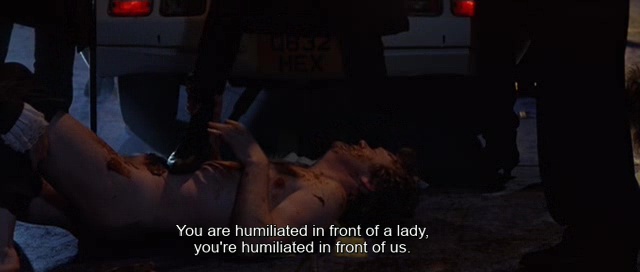
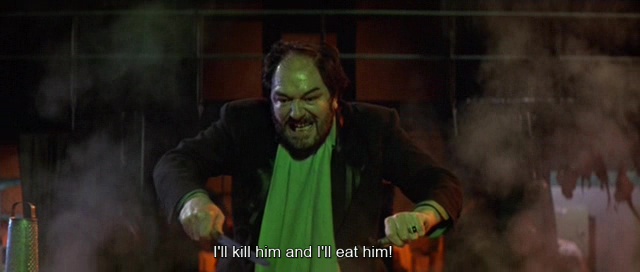
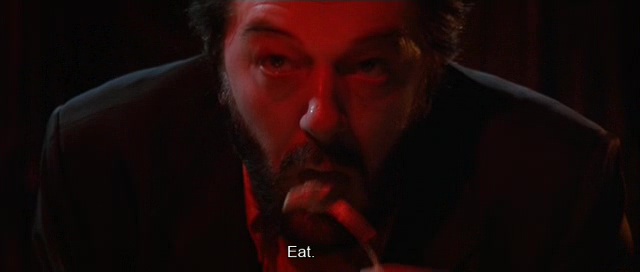
He forces an enemy to eat dog-shit, his men gorge on the fine dining and vomit on the table, and his wife reveals that sex for him involves only violence and degradation. Spica’s favoured method of torture is force feeding: he feeds excrement in the opening scene to a man who owes him money, he feeds buttons to the kitchen boy, and when he discovers the love affair, he promises to catch the lover, kill him, and eat him. He and his men kill Michael by making him eat one of his books.
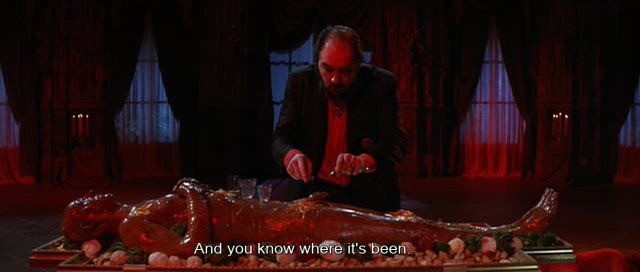
Georgina persuades Borst to cook Michael’s body; in a ceremonial scene, she reverses his force-feeding tactic and at gunpoint forces him to make good his earlier threat to eat the lover, suggesting he starts with Michael’s cock: “it’s a delicacy, and you know where it’s been”.
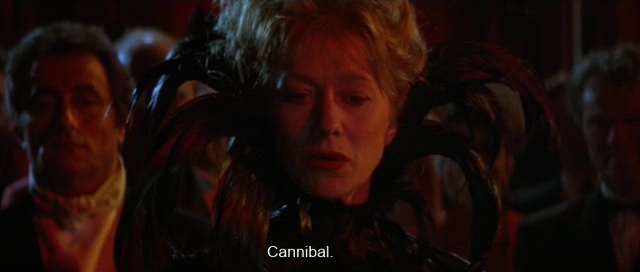
As she kills Spica with another phallic symbol, his own gun, she hisses at him (while looking at us, the viewers) the single, final word of the film: “cannibal!”
The film’s alterity focuses on the criminal crew against polite society. It was made toward the end of the long period known as Thatcherism, in which Britain was hugely polarised between followers of “libertarianism” and their opponents who felt that money and power were crushing all vestiges of civil society. The film has widely been interpreted as a protest about the politics of that time, with the thief as Thatcher and her greedy plutocrats and the lover as the ineffectual left opposition, the cook as the civil service and the wife as the people, being alternately wooed and abused. Roger Ebert saw a more universal message about an entrepreneurial class that is raping the earth and its environment while the “timid majority” finds distraction in romance and escapism. The New York Times felt that Greenaway was asking the question: what happens when “the most crass and sadistic people” gain power? Greenaway himself said that his use of cannibalism was a metaphor of consumer society: “once we’ve stuffed the whole world into our mouths, ultimately we’ll end up eating ourselves”.
Some critics, however, sees Greenaway’s message as elitist: consumption is only an issue when the “wrong” people are doing it. Spica and his crew debase the high culture of Le Hollandais with their ignorance, crudity and violence. Georgina (whom Spica insists on calling “Georgie” as if trying to alter her gender), Michael and Borst are refined, aesthetic and vulnerable, like the high culture which the thieves despise and aspire to at the same time. Greenaway seems to be accusing the “low culture” thieves, and his audience, of the same “voracious hunger” that colonialism cited to calumniate the natives they wanted to subdue.
Greenaway is exploring these “limits to appetite” in his scenes of sex, food and excrement; the contemporary cannibal demonstrates a new and uncertain relation to commodities. The cook is a film about abjection, but also desire. Cannibalism reduces the human to a roast dinner, but at the same time questions the limits we increasingly need to put on our meals, as we overconsume our share of natural resources.
Cannibal Tours is a documentary by Australian director and cinematographer Dennis O’Rourke. The scenes in it are presented without comment, but its irony and disquiet at the nature of ‘cannibal tourism’ is blindingly obvious.
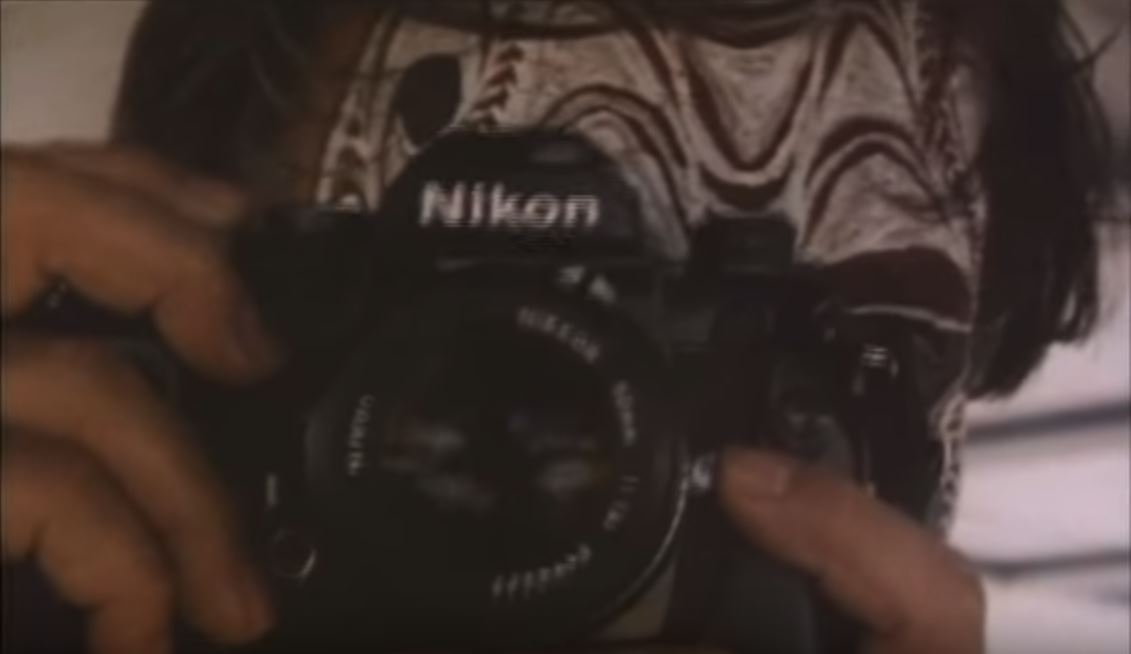
The soundtrack of the film is a mixture of music, sounds of nature, and a symphony of camera shutters.
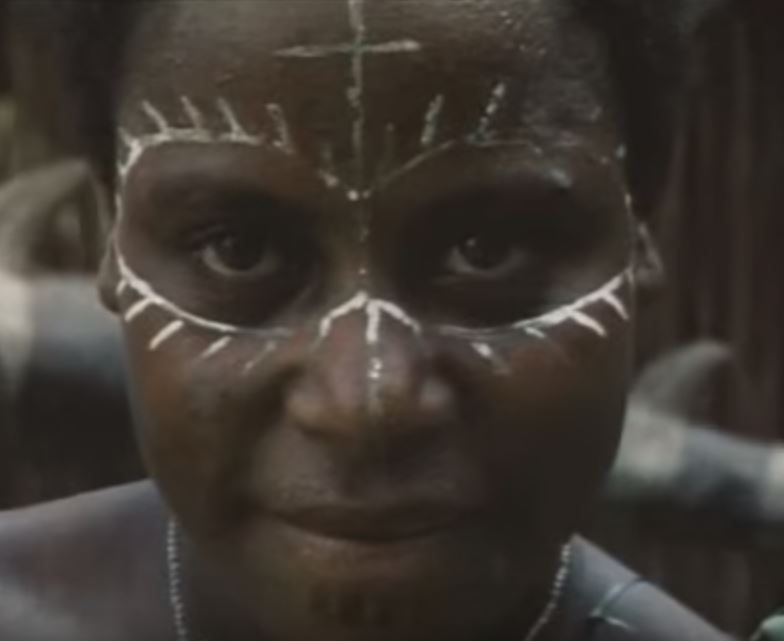
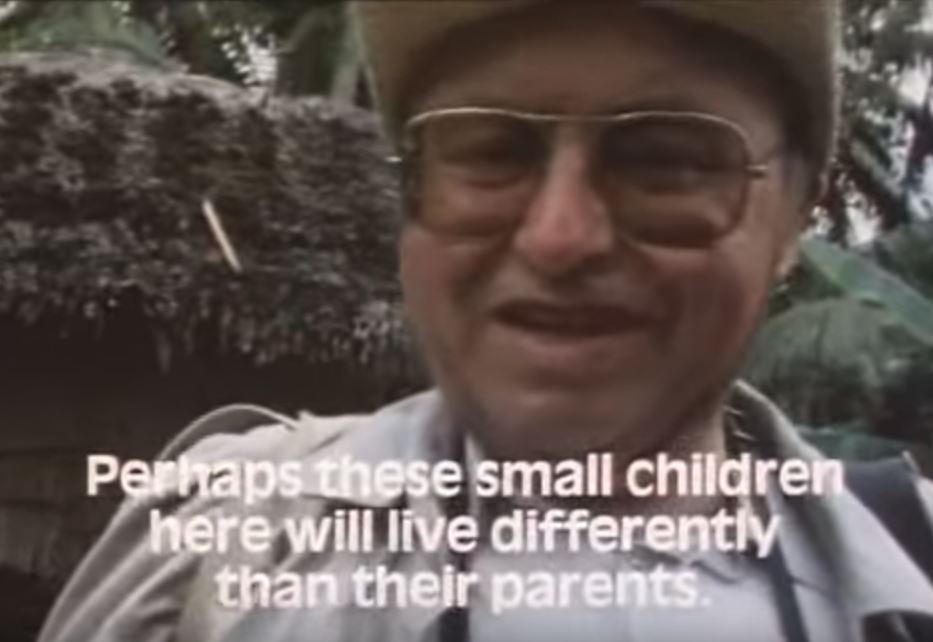
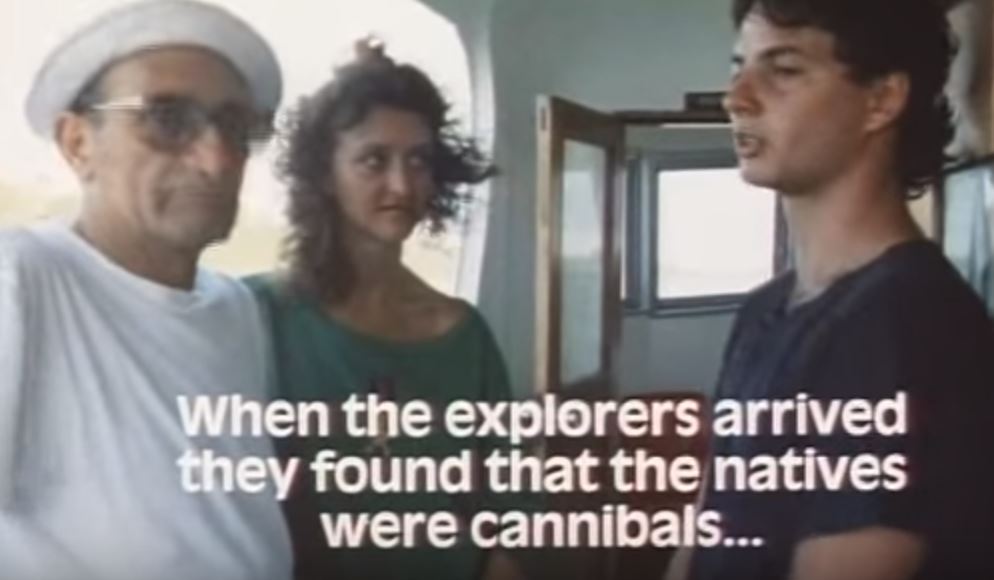
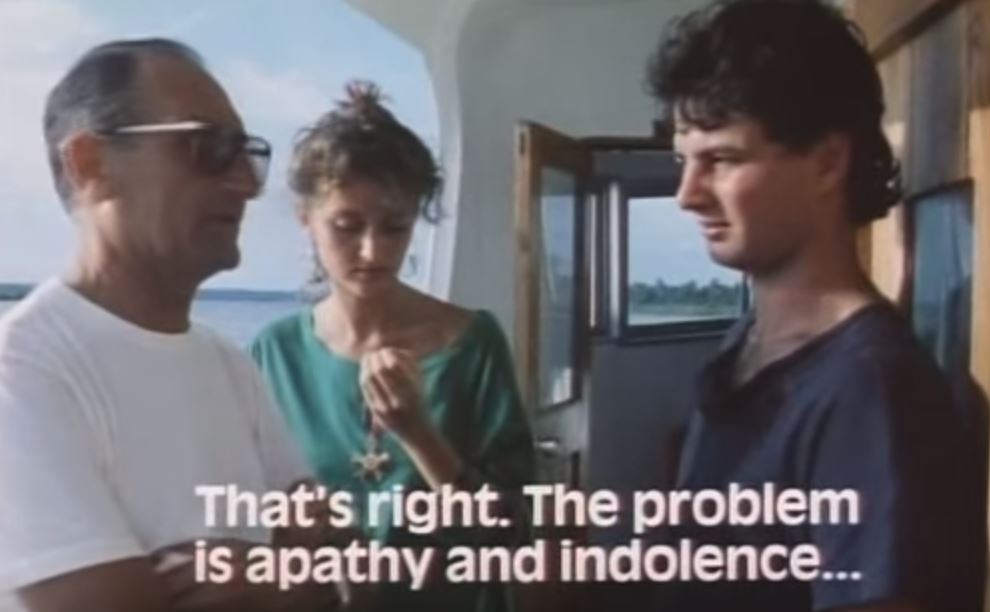
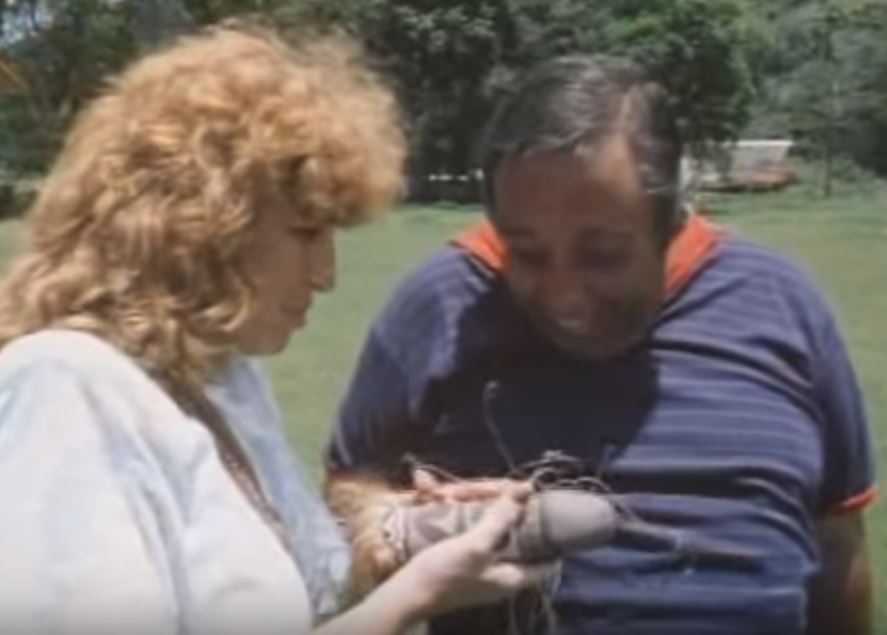
The film follows European and American tourists as they travel the middle Sepik River in Papua New Guinea. Most of the villages in the film are inhabited by the Iatmul people. The tourists enjoy bargaining for local handcrafts such as woodcarvings and baskets, snap endless photos of the colourful savages, hand out cigarettes, watch dance performances, and offer naive comments about native people and how they live in harmony with nature.
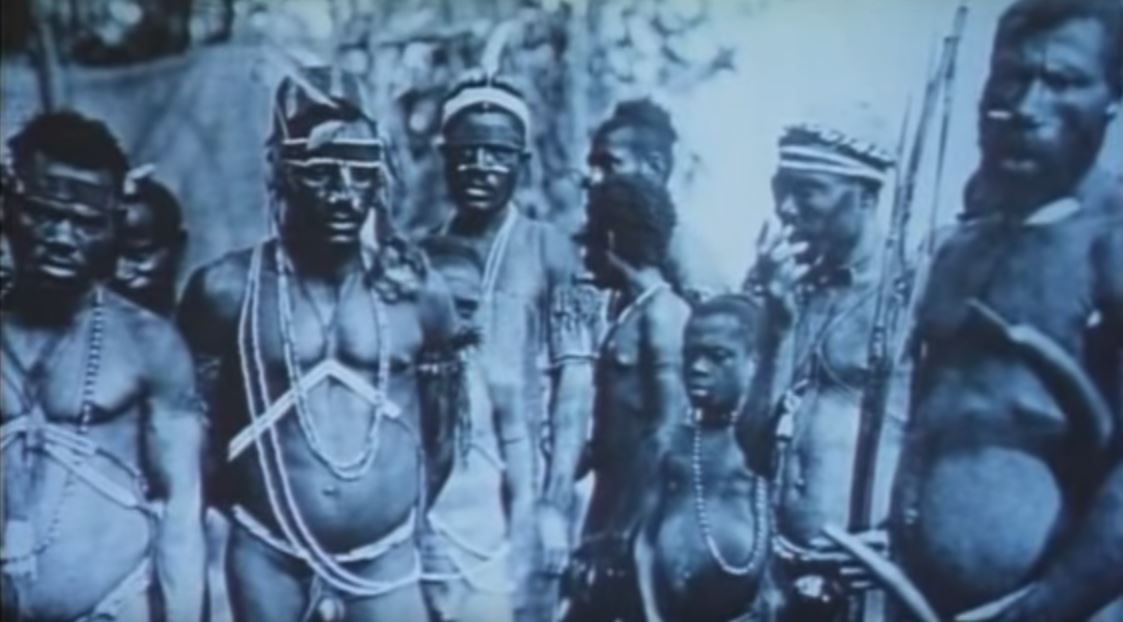
It intersperses the scenes of the tourists with black-and-white photographs from the era of German colonialism of New Guinea.
The pervasive ethnocentrism of the tourists casts them as the savages, as they dehumanise and exoticise Sepik River life.
Some of the tourists’ observations are reproduced below without comment, just as O’Rourke does on camera.
German tourist: I heard that German colonists were very popular!
Where have they killed the people? Here? Local: At those stones we would dance and cut off heads. German tourist: Now I need a photograph!
An Italian tourist observes:
They are truly primitive. I wonder though if their way of life is better than ours. Truly living with nature. Not really living, more like vegetating. The experts assure us they are satisfied. Happy and well fed. Nature provides them with the necessities of life. And they don’t have to worry about thinking of tomorrow.
Local: The previous generation saw the Germans arrive by boat and thought their dead ancestors had returned. Now, when we see tourists, we say about them ‘the dead have returned!’
There are lengthy scenes of tourists bargaining for carvings and masks.
Native woman – tourists come and look but never buy. You white men have all the money! We village people have no money!
Talking about the Spirit House, one local person recalls:
The Germans, the English and Australians took all the sacred objects. The missionaries destroyed all the most powerful symbols kept in the spirit house. The missionaries threw them out saying “It’s the devil! Get rid of it!”
German tourist [into his tape recorder]: Now we see the remains of a house where, in the past, cannibalism was practised.
…for reasons of survival. And custom too, I think. It was symbolic. I think cannibalism was a cultural practice, not a necessity. Because wildlife must have been plentiful.
Local: We sit here confused while they take pictures of everything. We don’t understand why these foreigners take photographs.
Italian: we must try to help them advance in the world, bringing to them some values and convictions. Naturally, this will involve going into their villages as the missionaries do to teach them. To educate and stimulate them to behave differently.
… living in a world completely overwhelmed by nature. They are also human.
even though our evolution could still be disputed by some.
There is much hilarity when the tourists find a phallus for sale.
Back on their boat, the tourists wear native warpaint and play at being savages.
Maggie Kilgour wrote that
“the figure of the cannibal was created to support the cultural cannibalism of colonialism, through the projection of western imperialist appetites onto the cultures they then subsumed “.
The imperialists now have cameras rather than guns. The film really asks – who are the cannibals?
The film is available (at time of writing) on YouTube:
IF YOU LIKE MY BLOG, PLEASE FEEL FREE TO RECOMMEND IT (WITH DISCRETION) TO FRIENDS ON SOCIAL MEDIA.
IF YOU HAVE ANY QUESTIONS OR COMMENTS, YOU CAN USE THE TAG, OR EMAIL ME ON CANNIBALSTUDIES@GMAIL.COM.
Although film directors have revisited colonial era stories of cannibalism with gusto, they have generally done so with modern perspectives. Cannibals in most films, therefore, are not the inhuman savages of Daniel Defoe, Edgar Rice Burroughs or Edgar Wallace. The ‘savages’ in even the earliest films are often presented with humour, for example Lupino Lane’s Be my King (1928), Crosby and Hope in Road to Zanzibar (Schertzinger 1941) or The Wrong Box (Forbes 1966) in which amorous cousins Michael and Julia are reassured that she is not a blood relation: she was adopted after her missionary parents were “eaten by his bible class”. In more serious depictions, the ‘savage’ is either a noble one, or at least is offered some humanity, and often his characterisation (we rarely see female savages) is given an ironic edge to criticise modern, “civilised” society. However, a positive image can be as degrading as a negative one.
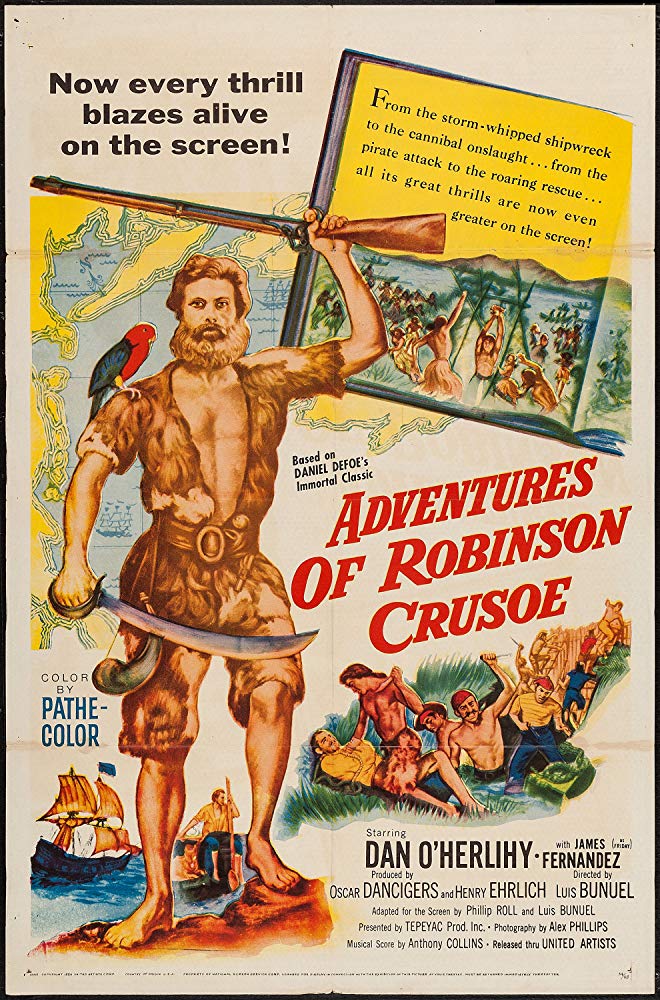
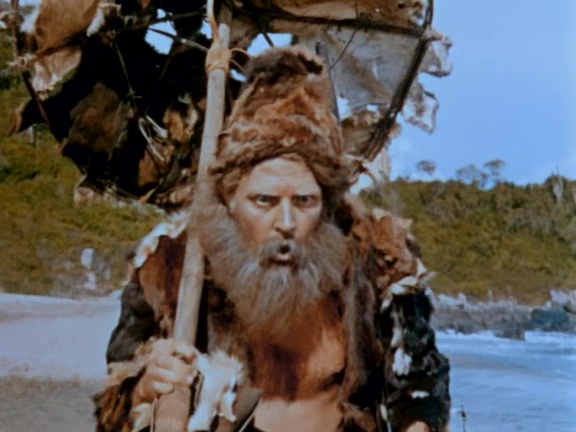
The example here of the cannibal as colonised savage is Luis Buñuel’s Robinson Crusoe (1954). Crusoe is, according to James Joyce “the true prototype of the British colonist… the manly independence, the unconscious cruelty, the persistence, the slow yet efficient intelligence, the sexual apathy, the calculating taciturnity”.
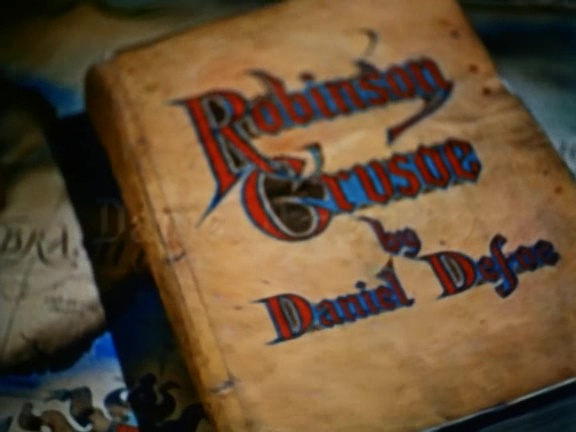
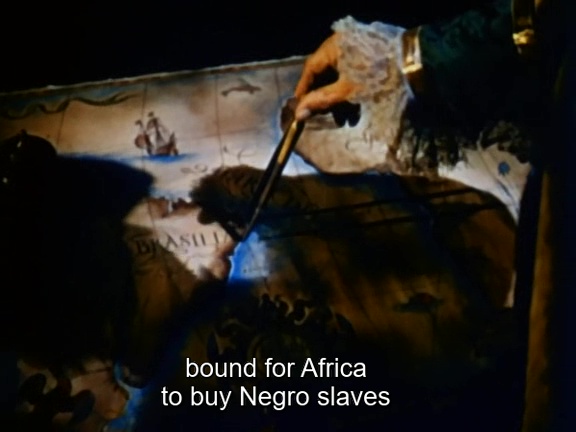
Buñuel opens his film of the eighteenth-century novel with a shot of Defoe’s book sitting on an ancient map, a nod to the importance to film makers of classic literature. Crusoe (Dan O’Herlihy, who was nominated for Best Actor at the 1955 Oscars) tells us he was on a voyage
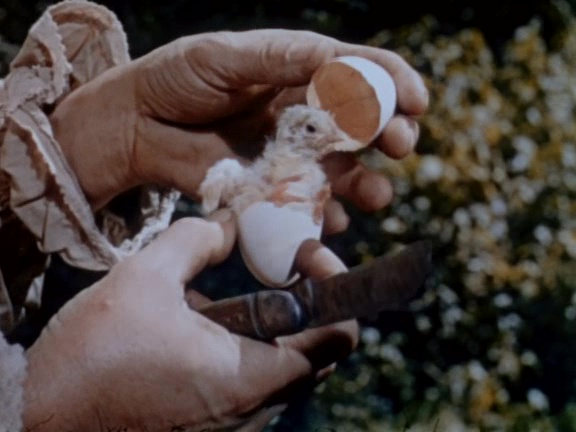
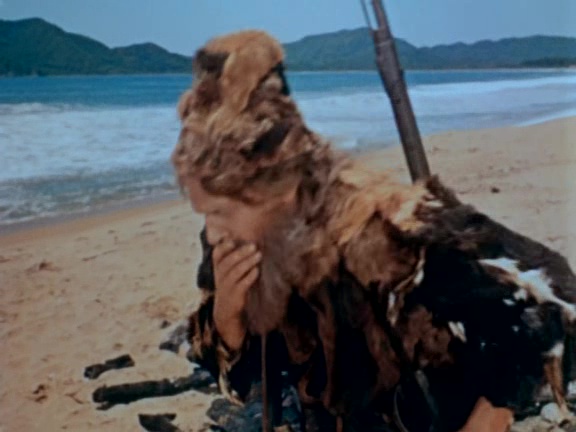
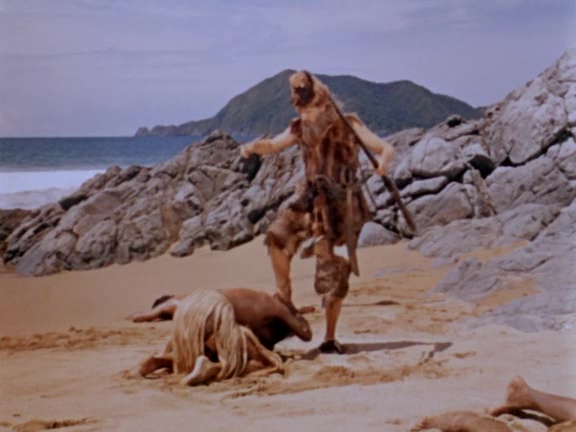
when his father’s warnings of disaster came true; we next see him struggling ashore amid the debris of his lost ship. The island, or at least a severely constrained and isolated space, was considered a prerequisite for cannibalism in the eighteenth century. All his shipmates, or at least the human ones, have been consumed by the sea. Barefoot and hungry, he cracks an egg he finds in a nest, but his European sensibilities do not allow him to eat the baby bird inside.
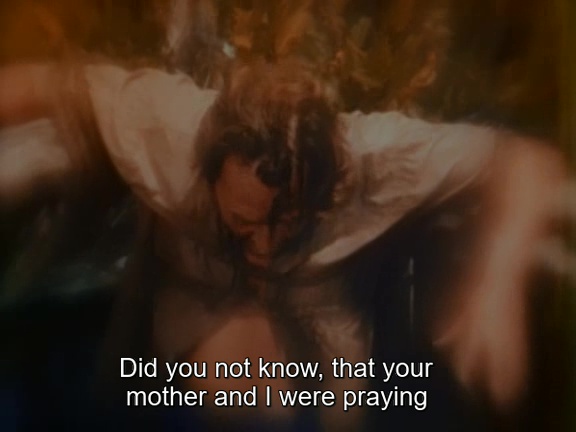
Unlike the savages he is yet to meet, he has little hope of surviving in the wild, but is saved by finding and plundering the wreck of his ship, salvaging building supplies, guns and flint to make fire (more important, he realises, than the gold in the drawer below). His whole focus is to secure himself against the wild world: beasts and savages. Although this is a long way from his early surrealist movies, this is still classic Buñuel, particularly the fever dream, reminiscent of his later films The Discreet Charm of The Bourgeoisie and Belle De Jour in which his giggling father pours water on a pig, while the delirious Crusoe begs for a mouthful.
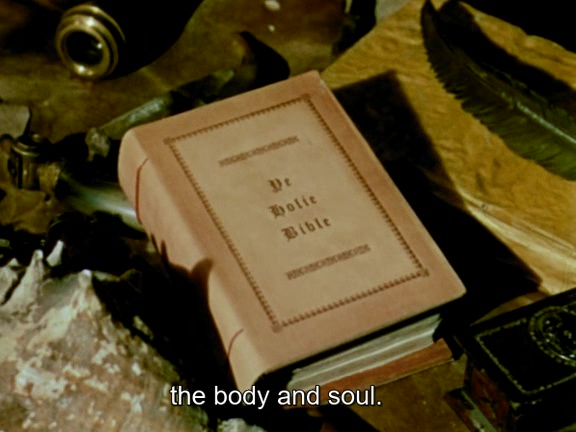
On the island, European civilised life is represented by Crusoe and his weaponry, and Rex, a dog who has also swum ashore. He finds in a ship’s chest a cure for
tobacco and the Bible.
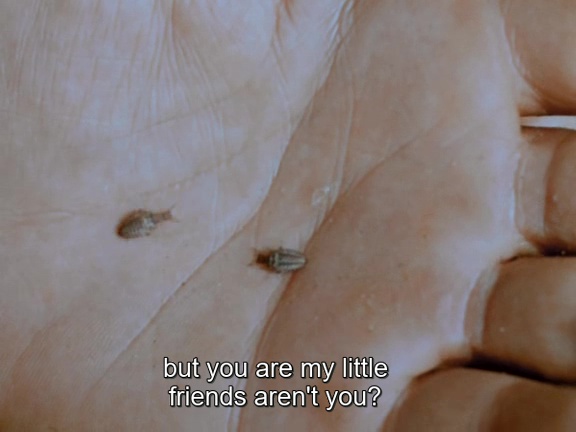
Buñuel seems to have felt Crusoe’s pain – he had been exiled from his native Spain for 14 years when he made the film, and was living in Mexico, having lost his job in MOMA after being denounced as a Communist. His longing for home while surrounded by “the other” is obvious in his character’s affection for the dog, while he is quite prepared to shoot birds and stamp on rats and spiders. He domesticates native goats and parrots, but is devastated by the death of Rex, feeling “now truly alone”. Sinking into eccentricity, he talks to two insects, “my little friends” and feeds them an ant.
But his difficulties on deciding which species of insects are friends soon escalates as Crusoe has to decide which humans deserve to be saved, and which sacrificed. The difference is their status: as cannibals or victims. His reunification with humans after 18 years comes as we follow his footsteps along the beach, only to be confronted with another distinctly human footprint. His abjection is immediate.
“Men-eaters! From that very land I had once thought to sail to. Revolted, horrified, all that night I watched the cannibals at their ghastly entertainment”.
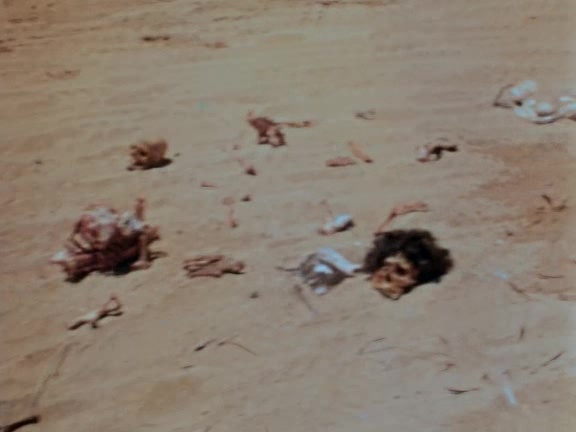
Their guilt is assumed, but only confirmed after they leave and he comes across their fire-pit which is surrounded by human heads and bones: Typically, cannibal literature paints a “primal scene”, the proof of cannibalism, which is usually not the act of eating human flesh, but the aftermath.
Crusoe plots a technology-based massacre, including another dream sequence, this time of planting a bomb under their fire-pit, but realises
“I had no heaven-sent right to be judge and executioner on these people, who had done me no injury. I would leave them to God’s justice”.
This resolve is short-lived; seeing Friday (Jaime Fernández, who won a Silver Ariel award – the Mexican equivalent of the Oscar) escape from the cannibals, he steps in to kill the pursuers and rescue the boy. Friday bows to him in a homo-erotic scene in which Crusoe puts his foot on the boy’s head.
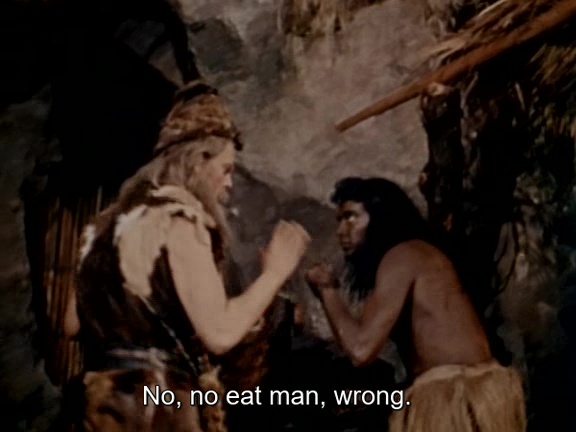
He explains that the boy will be called Friday, while Crusoe’s name is “Master” and that they are “friends”. The boy spits out Crusoe’s carefully harvested and baked bread, indicating that he would rather dig up the pursuers whom they buried earlier.
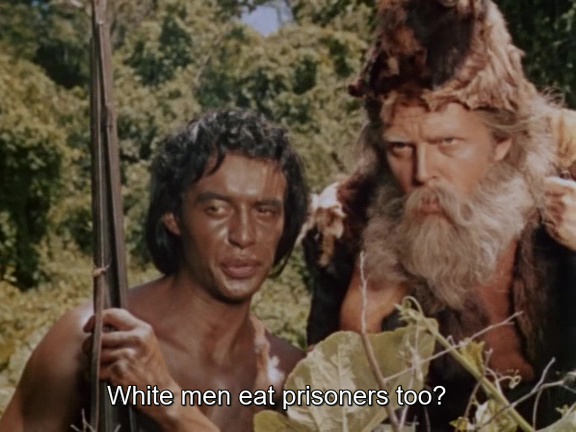
Crusoe sits up all night in fear of this new “friend”: “if the cannibals fail to come at me before morning, he might”. He won’t let Friday handle weapons; he shoots birds out the sky to frighten him and puts a strong door on his cave so he can sleep securely. He is reassured to watch Friday eat the flesh of animals, “knowing that the only source of that other meat he so relished”
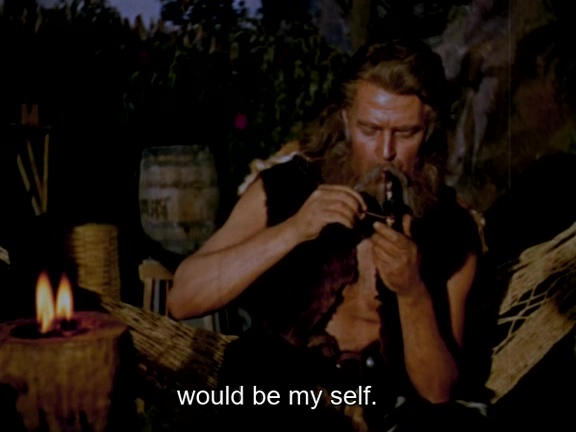
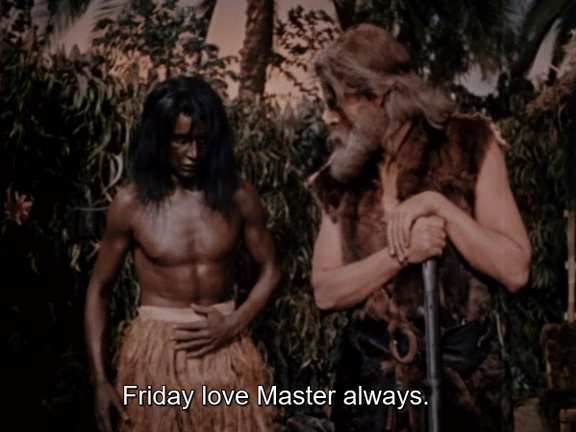
He comes to appreciate once more having a servant. The balance of alterities, man to animal, civilised man to cannibal, master to servant, has been restored, yet his fear of the primitive cannibal increases. When Friday sneaks into his room hoping to try his pipe, Crusoe decides to put leg-irons on him, remembering how he had intended those instruments to be used on the savages he planned to carry off to slavery. But Friday is misjudged: “Friday love Master always.” He seizes Crusoe’s gun, but it’s a suicide plan – “kill Friday – no send Friday away.”
In a moment that crystallises the dreams of empire, Friday has become the good savage, brought to civilisation by the white man, even feminised when he finds a dress in Crusoe’s chest. The primitive cannibal has submitted to our will, but lovingly, in gratitude rather than through force. In the next scene, Friday is armed and helping hunt wild pigs, with Crusoe’s admission that Friday was “as loyal a friend as any man could want.”
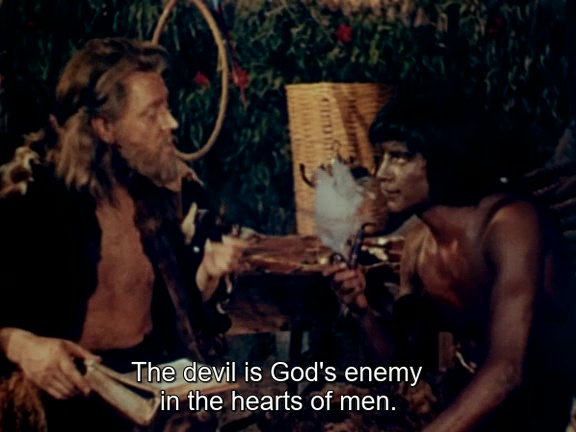
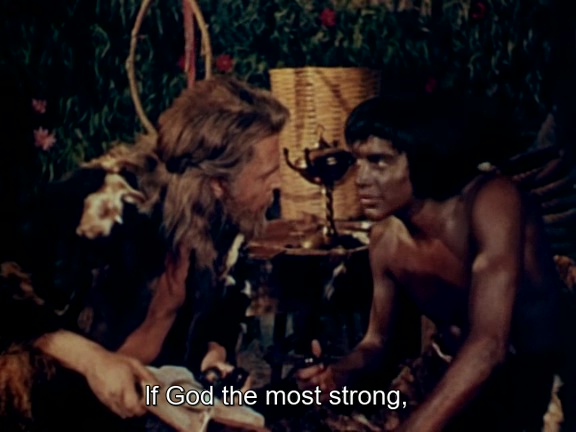
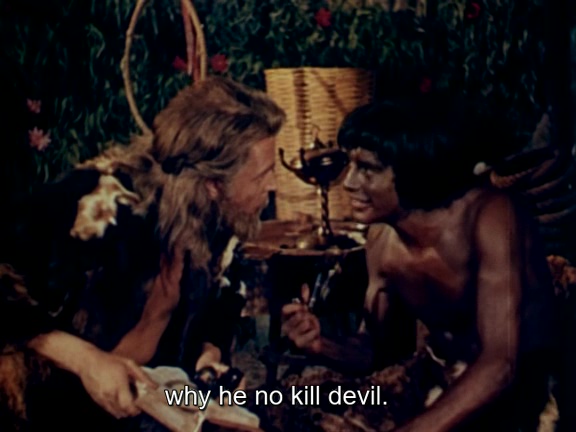
But if Friday is to take on Crusoe’s civilisation, he must also accept his morality. Friday finds Crusoe’s gold coins and thinks them a gift from God. “From the devil”, Crusoe mumbles, but Friday goes off to make a necklace with these baubles, which in this closed circle are of value only to the savage. While they shave each other and share a pipe, Crusoe tries to explain the devil and his works – he also has evolved, or converted, from conquistador to missionary. Yet he is baffled by Friday’s broken epistemic posing of the problem of evil – why doesn’t God just kill the devil? Why is God mad when we sin, if he lets the devil tempt us? Friday, the innocent, the savage, baffles Crusoe, the colonialist, expressing Buñuel’s overt anticlericalism.
They are set upon by the cannibals and Crusoe is saved by Friday’s gun, just as Crusoe’s gun saved Friday years before. The civilised savage fights the cannibal savages for the life of the Englishman. His gunpowder exhausted, Friday kills the third cannibal in hand-to-hand combat, but the beach is swarming with others. Their preparations for a last stand are interrupted by gunfire; to their amazement the beach is now full of white men who are slaughtering the fleeing cannibals. Like Friday’s foes, these white men have prisoners tied up – their ship’s captain and bosun, against whom they have mutinied.
Friday and Crusoe free the prisoners, who agree to take Crusoe and “my man” to England if he helps them recover the ship, which of course they do in due course, tempting the ‘civilised’ mutineers, like the devil, with Friday’s gold necklace.
Dressed like an Englishman again, Crusoe makes a melancholy farewell to his kingdom. He has defeated the evil of the savages and the mutineers, whom he leaves to rule his kingdom.
Friday has witnessed the violence and oppression of the “civilised” white men, but avers that he is not afraid to go back to civilisation “if master is not”. He is already dressed as a servant. The cannibal can become tame, can learn to eat what he is told, but clearly he can never become “your own kind.”
IF YOU LIKE MY BLOG, PLEASE FEEL FREE TO RECOMMEND IT (WITH DISCRETION) TO FRIENDS ON SOCIAL MEDIA.
IF YOU HAVE ANY QUESTIONS OR COMMENTS, YOU CAN USE THE TAG, OR EMAIL ME ON CANNIBALSTUDIES@GMAIL.COM.